
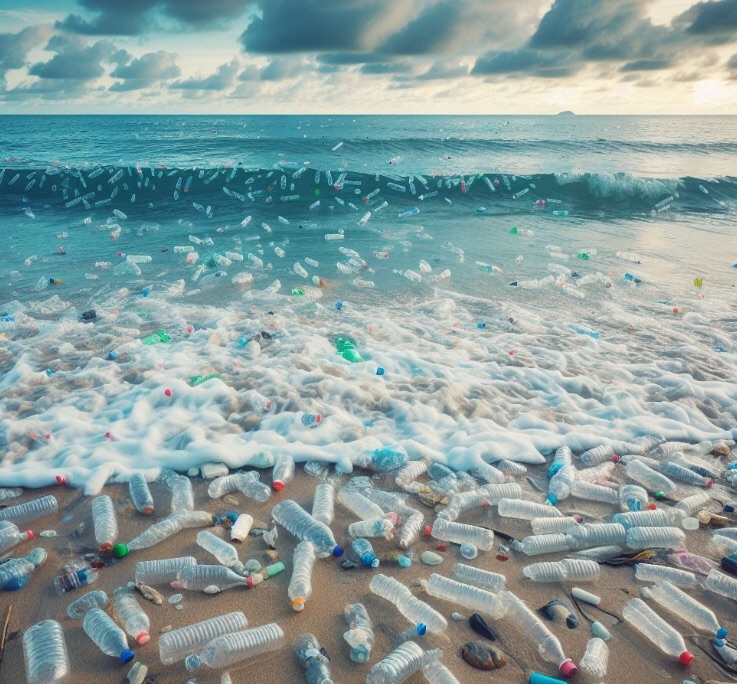
In recent years, the issue of microplastics has surged to the forefront of environmental concerns, revealing a pervasive problem that extends far beyond polluted ocean waters. These tiny plastic particles, often smaller than five millimeters in size, have become a global pollutant, affecting marine life, ecosystems, and potentially human health. This article delves into the prevalence of microplastics in the ocean, their journey into the air and beyond, and the multifaceted impacts they wield on the environment and life on Earth.
Prevalence in the Ocean
Microplastics have infiltrated the world’s oceans at an alarming rate, originating from a variety of sources, including larger plastic debris that degrades into smaller fragments, microbeads found in personal care products, and synthetic fibers from clothing. Carried by currents, these particles can travel vast distances, accumulating in oceans and washing up on remote shores. Their small size and ubiquity make them a persistent and pervasive threat to marine ecosystems.
Airborne Transmission
Recent studies have revealed a startling pathway for microplastics to become airborne: through the action of ocean waves and wind. As waves crash and break, they generate aerosols that can carry microplastics into the atmosphere, dispersing them far from their oceanic origin. Once airborne, these particles can be inhaled by humans and animals or deposited on land and in freshwater systems, expanding the scope of their impact.
Effects on Marine Life
Marine organisms, from plankton to whales, are ingesting microplastics at an unprecedented rate. These particles can cause physical blockages, digestive issues, and even chemical poisoning due to the toxins they release or carry on their surfaces. The accumulation of microplastics in the food web raises concerns about the health of marine species and the overall stability of marine ecosystems.
Absorption by Birch Trees
In an unexpected twist, research has found that not only animals but also plants, such as birch trees, can absorb microplastics through their roots. This discovery highlights the extensive reach of microplastics but the benefits of trees in absorbing these particles. The implications of this absorption for ecosystems and the cycle of microplastics through different environmental compartments are areas of active research.
Potential Effects on Humans
The omnipresence of microplastics raises significant concerns about their potential effects on human health. Through the consumption of contaminated seafood, inhalation of airborne particles, and possibly uptake by crops, humans are increasingly exposed to these pollutants. Although the full health implications are not yet fully understood, there is growing evidence that microplastics can carry harmful chemicals and pathogens, posing risks to human health.
Impact on Groundwater and Septic Systems
Microplastics have also been detected in groundwater sources, which could affect the quality of drinking water for millions of people. Additionally, these particles can interfere with septic systems and drain fields, potentially leading to system failures and the contamination of surrounding soil and water bodies. The resilience and small size of microplastics complicate efforts to remove them from wastewater, highlighting the need for improved waste management and water treatment technologies.
Effects on Coastal Communities
For coastal communities, the influx of microplastics poses both environmental and economic challenges. Beaches littered with plastic debris can deter tourism, while the contamination of seafood can impact fisheries and local economies. The health risks associated with exposure to microplastics add another layer of concern for residents of these areas.
The presence of tree canopies for coastal environments can serve as an effective natural barrier against the proliferation of microplastics, offering multiple benefits in the fight against this pervasive environmental issue. Here’s how tree canopies contribute to mitigating the impacts of microplastics:
Interception of Airborne Microplastics
Tree canopies can capture airborne microplastics through their leaves and bark. As the wind carries these tiny plastic particles, the extensive surface area provided by leaves, branches, and trunks acts as a natural filter, trapping the particles. This interception prevents microplastics from settling on the ground or entering water bodies, thereby reducing their availability for ingestion by animals or incorporation into the soil.
Reduction of Wind Speed
Trees and their canopies also play a crucial role in reducing wind speed in their immediate surroundings. By acting as a physical barrier to wind, trees can decrease the distance that microplastics are transported through the air, limiting their dispersion across environments. This effect is particularly beneficial in urban areas, where buildings can otherwise facilitate the wind-driven movement of microplastics.
Promotion of Rainwater Infiltration
Tree roots and the soil under canopies enhance the infiltration of rainwater into the ground. This process can help to wash microplastics from the air and foliage down into the soil, where they are less likely to be re-suspended in the air or washed into waterways. Furthermore, certain soil microorganisms have been found to degrade plastic materials, potentially reducing the longevity and impact of microplastics trapped in this way.
Reduction of Surface Runoff
By promoting rainwater infiltration, trees also reduce surface runoff, which is a major pathway for microplastics to enter rivers, lakes, and eventually the ocean. The decreased runoff means fewer microplastics are transported from urban and agricultural lands into aquatic ecosystems, where they pose significant risks to water quality and marine life.
Enhancement of Coastal Environments
In coastal environments green spaces and tree canopies contribute to creating more sustainable and livable environments. They not only improve air quality by filtering pollutants but also provide a physical barrier against the spread of microplastics. Trees can intercept plastic particles before they enter water drains, which often lead directly to natural water bodies without adequate filtration of microplastics.
While not a panacea for the global issue of microplastic pollution, tree canopies offer a valuable and natural means of mitigating the spread and impacts of microplastics in the environment. Enhancing urban forestry and protecting natural forests are critical strategies in the broader fight against plastic pollution. These efforts, coupled with reductions in plastic use and improvements in waste management, are essential steps toward safeguarding ecosystems and human health from the adverse effects of microplastics.
The issue of microplastics is a stark reminder of the far-reaching consequences of plastic pollution. As these particles make their way from the ocean to the air we breathe, the food we eat, and the water we drink, the urgency to address this global threat becomes ever more apparent. Reducing plastic consumption, improving waste management, and conducting further research into the effects of microplastics are critical steps toward mitigating their impact on the environment and public health. The impact of microplastics requires more research to better understand its effects and the steps to mitigate its effects. The fight against microplastics is a complex challenge, but it is one that we must undertake to protect our planet and future generations.
To help clean up the beaches in Pacific county please go to the link below for information on the garbage cleanup event:
 Surfside Washington News