
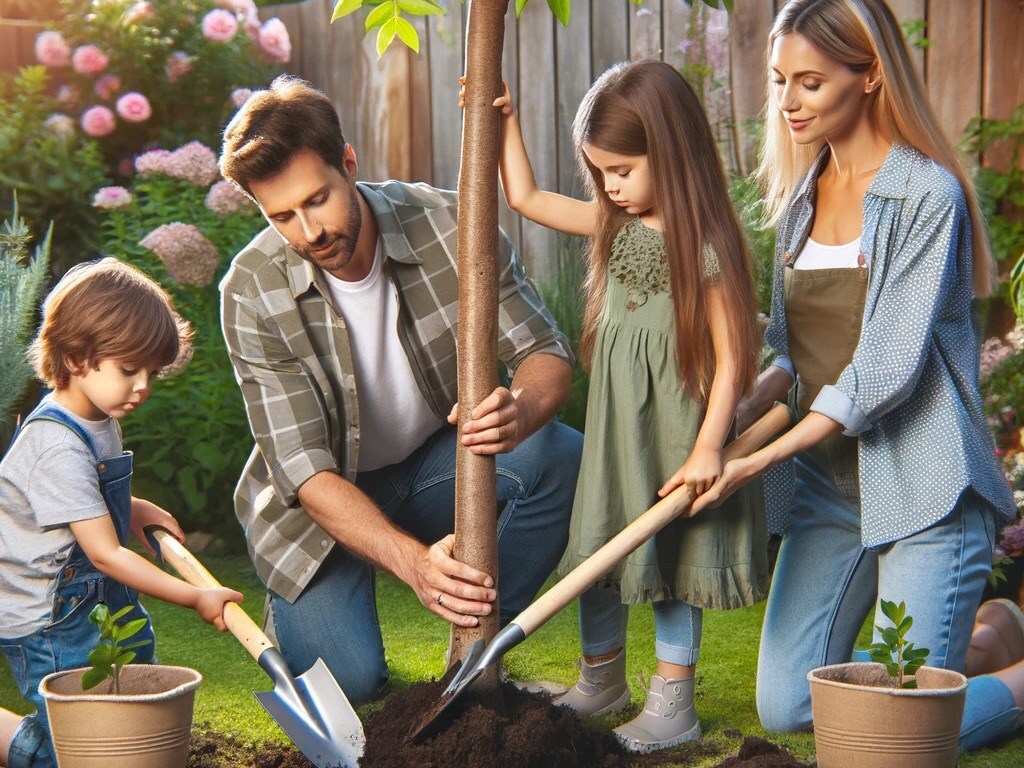
As cities grow and develop, maintaining and increasing tree canopy coverage becomes crucial for ensuring sustainable urban environments. A majority of cities in Washington have developed comprehensive urban forestry plans and programs aimed at preserving and expanding their green spaces. These initiatives not only promote the ecological benefits of trees but also educate residents about their importance. This article examines selected examples of urban forestry plans from Washington cities that showcase innovative approaches to urban forestry management. In contrast to the trend of expanding tree canopy in almost every city in Washington, Surfside and Pacific County are experiencing a reduction.
Outdated Tree Height Restrictions in Surfside, WA: Balancing Property Development and Environmental Sustainability
The tree height restriction policies in Surfside, WA, supported by the Pacific County planning division, exemplify the outdated regulations initially established by the homeowner association decades ago when climate change impacts were less understood. These policies underscore the challenging balance between property development and environmental conservation. Although aimed at protecting property and preserving views, these restrictions have had detrimental effects on tree health, canopy cover, and overall environmental quality, necessitating a critical reassessment. Sustainable tree preservation management is vital for maintaining both the ecological balance and aesthetic value of these communities for future generations. Despite other cities in Washington making strides to expand tree canopy as a measure against climate change, Pacific County’s focus seems to remain on maximizing property tax revenue and personal wealth, often at the expense of environmental considerations. There is a pressing need for Pacific County to conduct an environmental study to fully understand the negative impacts of these policies in Surfside, WA, and to realign their priorities towards growing tree canopy.
Municipal Research and Services Center (MRSC)
Municipal Research and Services Center (MRSC) is a nonprofit organization provides legal and policy guidance. They provide information about urban forestry and tree protection programs for local governments in Washington State. A link to more information on some of these programs are in the link below,
For links to Other Cities with Urban Forestry Plans.
MRSC – Urban Forestry Programs in Washington State
Bellingham’s Proactive Urban Forestry Management
In 2022, Bellingham detailed the development of its Urban Forestry Management Plan, emphasizing community involvement and scientific assessment in its strategy. This plan outlines specific actions for maintaining and increasing tree coverage, prioritizing urban areas that lack canopy coverage but have high potential for development.
Covington’s Strategic Approach
Covington has taken a structured approach to urban forestry, starting with its Urban Forestry Strategic Plan in 2013 for publicly-managed trees, followed by a comprehensive Tree Canopy Assessment Report in 2018. These documents together help the city manage its urban trees strategically, assessing progress and setting future goals with precision.
Recognition and Responsibility in Hoquiam
Hoquiam has been recognized with the Tree City USA designation, reflecting its commitment to urban forestry management. The city supports this with a robust urban forestry management plan and an advisory board, ensuring that tree care remains a key community focus.
Kirkland’s Comprehensive Tree Management
Kirkland offers a model example with its detailed tree codes and urban forestry management plan, first developed in 2013, alongside regular canopy assessments. These efforts are aimed at both protecting existing trees and ensuring new developments include adequate green spaces.
Innovative Programs Across Other Cities
- Lacey and Tumwater have developed urban forest management plans tailored to their unique environmental and urban characteristics.
- Longview enhances its urban forestry program with interactive tools like a tree benefits calculator, helping residents understand the tangible impacts of their local trees.
- Olympia enforces a minimum number of “tree units” per acre in new developments, linking urban planning with green infrastructure.
- Port Angeles and Tacoma offer community-based programs that encourage residents to participate actively in tree planting, often providing free or discounted trees.
- Renton provides comprehensive resources including a detailed urban forest management plan, a tree owner’s manual, and FAQs to educate and engage its citizens.
- Seattle and Shoreline manage extensive web resources and updated regulations that cover everything from tree removal to tree planting, addressing urban forestry as a dynamic part of city governance.
- Spokane partners with local nonprofits to address environmental disparities through initiatives like SpoCanopy, which focuses on enhancing tree coverage in low-income neighborhoods.
- Vancouver has established rigorous permit programs for both street and private trees, coupled with detailed urban tree canopy assessments to guide its urban forestry efforts.
Over 90 Washington Cities Earn Prestigious Tree City USA Designation, Highlighting State’s Commitment to Urban Forestry and Environmental Stewardship
Washington State is renowned for its lush landscapes and commitment to environmental stewardship, which is evident in the number of Tree City USA communities within the state. As of now, Washington boasts over 90 cities that have earned the Tree City USA designation from the Arbor Day Foundation. This title is awarded to towns and cities that demonstrate a strong commitment to managing and expanding their public trees. To qualify, communities must meet four core standards set by the Arbor Day Foundation: maintaining a tree board or department, having a community tree ordinance, spending at least $2 per capita on urban forestry, and observing Arbor Day with a community celebration. The widespread participation in this program highlights Washington’s dedication to promoting urban forestry and enhancing green spaces across its cities, contributing to the state’s reputation for environmental conservation and sustainable urban planning.
Outdated Tree Height Restrictions in Surfside, WA: Balancing Property Development and Environmental Sustainability
The tree height restriction policies in Surfside, WA, supported by the Pacific County planning division, exemplify the outdated regulations initially established by the homeowner association decades ago when climate change impacts were less understood. These policies underscore the challenging balance between property development and environmental conservation. Although aimed at protecting property and preserving views, these restrictions have had detrimental effects on tree health, canopy cover, and overall environmental quality, necessitating a critical reassessment. Sustainable tree preservation management is vital for maintaining both the ecological balance and aesthetic value of these communities for future generations. Despite other cities in Washington making strides to expand tree canopy as a measure against climate change, Pacific County’s focus seems to remain on maximizing property tax revenue and personal wealth, often at the expense of environmental considerations. There is a pressing need for Pacific County to conduct an environmental study to fully understand the negative impacts of these policies in Surfside, WA, and to realign their priorities towards more sustainable practices.
Washington’s cities are at the forefront of integrating urban forestry into their ecological and urban development plans. By adopting and continuously updating these comprehensive plans and programs, these cities not only enhance their green spaces but also improve the quality of life for their residents. These initiatives serve as exemplary models for other cities globally, demonstrating the importance of urban trees in building sustainable, resilient, and livable cities.
 Surfside Washington News