
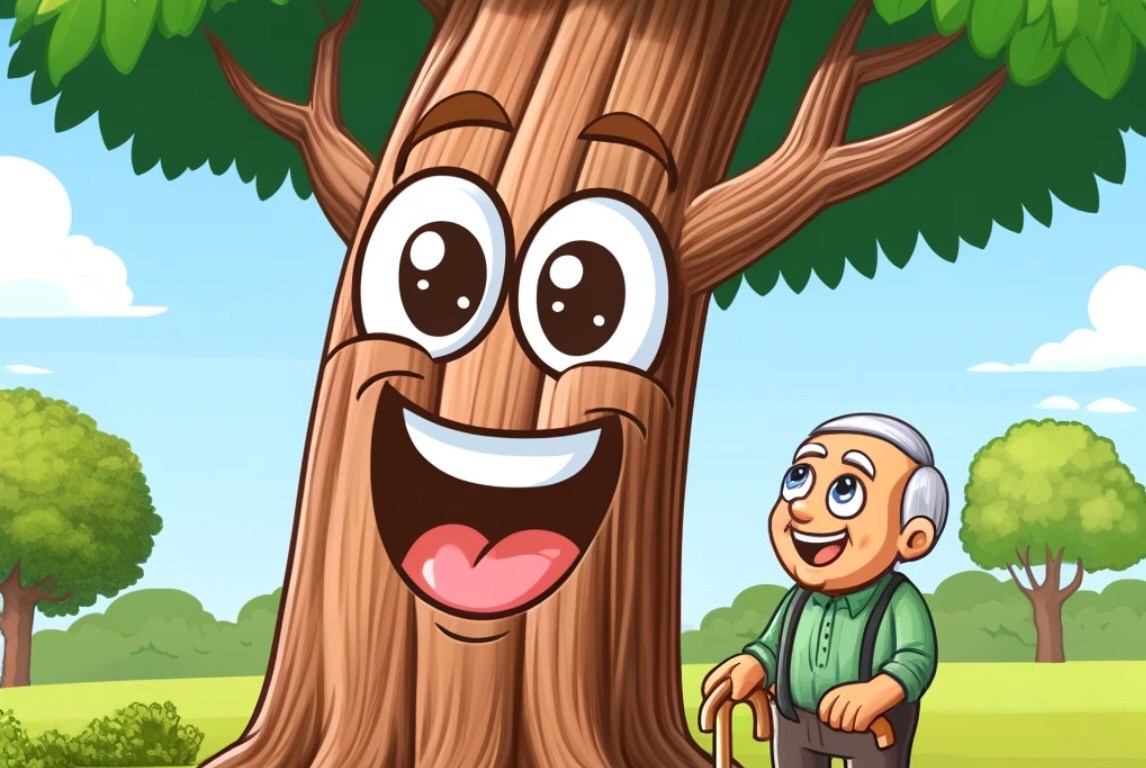
In honor of mental health month, we examine the benefit of tree canopy for the many mental health benefits of trees, particularly along roadsides, play a crucial role in enhancing the mental and physical health of communities, especially for seniors. Research has shown that higher tree canopy cover is associated with numerous health benefits, including improved mental health, lower stress levels, and reduced incidence of chronic diseases. Conversely, neighborhoods with low tree canopy often face health issues and lower overall well-being. This article explores the science behind tree canopies, their health benefits, and the transformative impact of planting right-of-way trees along roads.
The Importance of Tree Canopy
A tree canopy refers to the layer of leaves, branches, and stems of trees that cover the ground when viewed from above. Tree canopies provide a myriad of ecological, social, and health benefits:
- Environmental Benefits: Tree canopies improve air quality by filtering pollutants, reduce urban heat islands through shade and cooling effects, and enhance biodiversity by providing habitats for wildlife.
- Mental Health Benefits: Exposure to green spaces and tree canopies has been linked to lower levels of depression, anxiety, and stress. For seniors, who may face increased risks of isolation and mental health issues, the presence of trees can be particularly therapeutic.
- Physical Health Benefits: Trees contribute to physical health by encouraging outdoor activities such as walking and jogging, which can reduce the risk of cardiovascular diseases, obesity, and diabetes.
Right-of-Way Trees and Mental Health
Planting trees along roadsides, known as right-of-way trees, is especially beneficial for urban environments. These trees provide a green buffer between traffic and pedestrian areas, enhancing the visual appeal and safety of streetscapes. For seniors, the presence of right-of-way trees can have significant positive effects on mental health:
- Stress Reduction: Studies have shown that walking in tree-lined streets can lower cortisol levels, a marker of stress. The calming effect of nature helps in reducing mental fatigue and promoting relaxation.
- Enhanced Social Interaction: Green spaces encourage social activities and community engagement. Seniors are more likely to spend time outdoors, interact with neighbors, and participate in community events in tree-rich environments.
- Cognitive Benefits: Natural environments have been associated with improved cognitive function and memory. Regular exposure to green spaces can help mitigate cognitive decline in older adults.
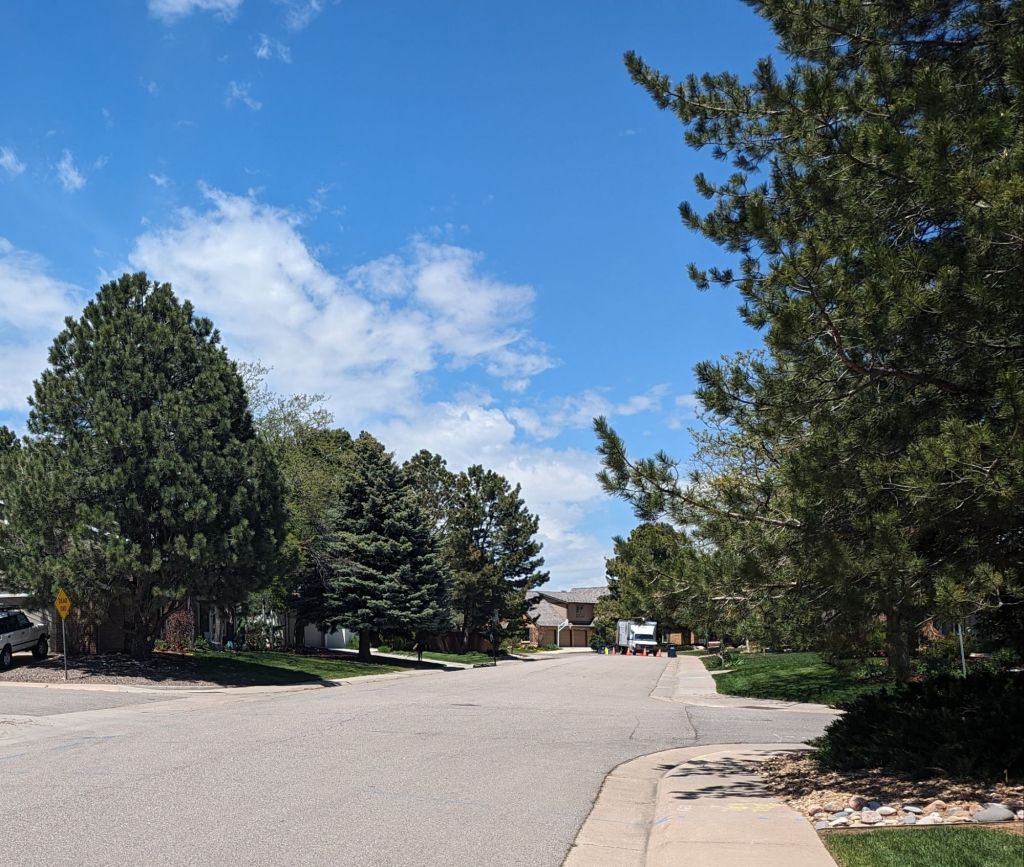
- Neighborhood Beautification: As shown in the above photo, Row of way trees enhance the beauty of a neighborhood increasing property values.
The Consequences of Low Tree Canopy
Neighborhoods with low tree canopy often experience a range of negative outcomes, contributing to a cycle of environmental and social disadvantages:
- Increased Pollution and Heat: Lack of tree cover leads to higher levels of air pollution and heat islands, exacerbating respiratory issues and heat-related illnesses, particularly among vulnerable populations such as seniors.
- Poor Mental Health: Residents in areas with low tree canopy are more likely to experience higher rates of depression and anxiety. The absence of green spaces can lead to a sense of desolation and lower quality of life.
- Social Inequities: Low tree canopy often correlates with socio-economic disparities. Low income neighborhoods typically have fewer trees, highlighting a need for equitable urban planning and investment in green infrastructure.
Case Study: Surfside, WA
In Surfside, WA, tree height restrictions supported by the Pacific County Planning Department have reduced the tree canopy to 18% in an area where a majority of residents are seniors on fixed incomes. This reduction in tree canopy deprive residents of the many benefits to the mental health of seniors living in these areas.
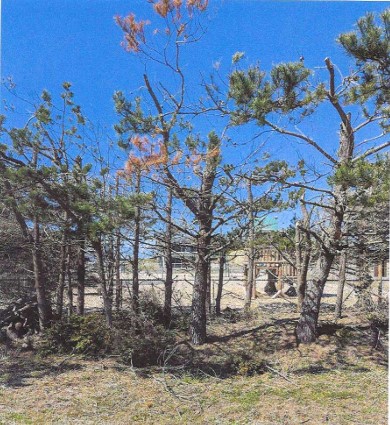
The pacific county planning department should not have given waivers for Surfside to limit tree canopy by enforcing 16 and 24 feet tree height restrictions that destroy trees and have results in the destruction of tree canopy. Other areas in Surfside have 50% tree canopy.
Advocating for Tree Conservation and Planting
To harness the full benefits of tree canopies, concerted efforts are needed to conserve existing trees and plant new ones, particularly in underserved areas. Policies that support forestry and community-based tree planting initiatives can have far-reaching impacts:
- Community Engagement: Involving local residents in tree planting and maintenance fosters a sense of ownership and stewardship, ensuring the sustainability of green spaces.
- Policy Support: Advocating for pacific county development policies that mandate tree planting in development planning, protection of trees, no tree height restrictions, and funding green infrastructure projects can drive long-term improvements in health and well-being.
- Targeted Planting: Prioritizing tree planting in low-canopy neighborhoods can address health disparities and enhance the quality of life for residents, particularly in areas with seniors who benefit greatly from improved green spaces.
Tree cities in Washington state
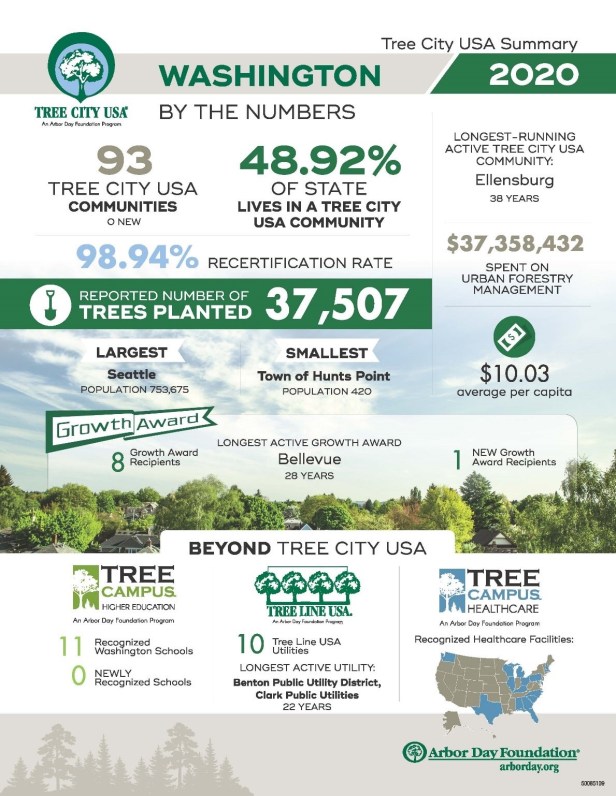
Washington State boasts a significant number of Tree Cities, highlighting its commitment to urban forestry and sustainable community development. As of the latest data, 94 cities in Washington have earned the prestigious Tree City USA designation, demonstrating their dedication to managing and expanding their public trees. These cities adhere to standards set by the Arbor Day Foundation, including maintaining a tree board or department, having a community tree ordinance, spending at least $2 per capita on urban forestry, and celebrating Arbor Day. However, despite its natural beauty and ecological significance, Pacific County remains absent from this list. This absence underscores the need for increased efforts and policies to promote urban forestry and tree conservation in Pacific County, aligning it with the broader state initiatives for greener and healthier communities.
The science behind tree canopies underscores their critical role in promoting mental and physical health, especially for seniors. Planting right-of-way trees along roads and increasing overall tree canopy cover can transform environments, making them healthier, more resilience and equitable. Addressing the issue of low tree canopy in low income neighborhoods is not only an environmental imperative but also a social justice issue, ensuring all communities have access to the life-enhancing benefits of trees.By investing in tree canopy and advocating for equitable green spaces, we can create healthier, more vibrant communities for everyone, particularly our senior population.
The little-known physical and mental health benefits of urban trees
https://yaleclimateconnections.org/2023/02/the-little-known-physical-and-mental-health-benefits-of-urban-trees/
Immerse Yourself In A Forest For Better Health
Immerse Yourself In A Forest For Better Health
How trees benefit mental and physical health
https://ecomatcher.com/blog/how-trees-benefit-mental-and-physical-health/
More Evidence of the Benefits of Trees in Urban Areas
https://www.psychiatry.org/news-room/apa-blogs/evidence-of-the-benefits-of-trees-in-urban-areas
 Surfside Washington News