
The Meaning and Purpose of the LGBTQ+ Flag
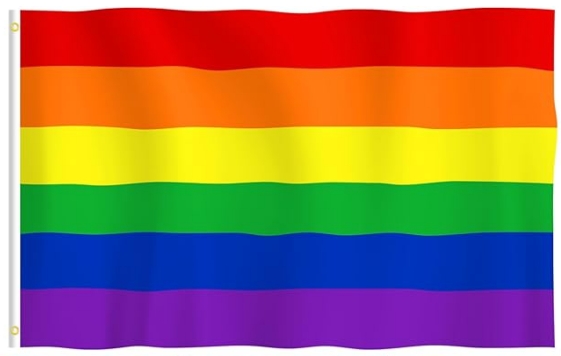
The LGBTQ+ flag, commonly known as the rainbow flag, was designed by Gilbert Baker in 1978. Each color in the flag represents different aspects of the LGBTQ+ community:
- Red symbolizes life.
- Orange symbolizes healing.
- Yellow represents sunlight.
- Green signifies nature.
- Blue stands for harmony and peace.
- Purple represents spirit.
Over the years, variations of the flag have emerged to include more identities within the LGBTQ+ spectrum. For instance, the Progress Pride Flag includes black and brown stripes to recognize LGBTQ+ people of color and the trans community, highlighting the importance of inclusivity and intersectionality within the movement.
Supporting Family Members
For many LGBTQ+ individuals, family support is crucial. The flag serves as a reminder of the importance of acceptance and love within families. When family members display the flag, it signals an environment of understanding and support, helping to create a safe space where LGBTQ+ individuals can express their true selves without fear of judgment or rejection.
Building Community
The flag also plays a vital role in building and strengthening the LGBTQ+ community. It is a symbol that unites people across different backgrounds and experiences, fostering a sense of belonging. Community events, such as Pride parades and LGBTQ+ support groups, often feature the flag prominently, reinforcing the message of unity and collective strength.
Promoting Awareness and Advocacy
By displaying the LGBTQ+ flag, individuals and organizations promote awareness and advocate for equal rights. It serves as a visual statement against discrimination and a call to action for social change. Supporting the flag means supporting the ongoing fight for equality and justice for all members of the LGBTQ+ community.
Strong Leadership is Needed
Effective leadership necessitates a zero-tolerance stance against all forms of hatred, including harassment of LGBTQ+ members, and a proactive approach in fostering an inclusive and respectful society. Leaders who are unable or unwilling to take decisive action against prejudice must step down to make way for those who are committed to upholding justice, equality, and the protection of vulnerable communities. This applies to members of the LGBTQ+ community and any minority communities.
Love is the Standard
The standard of love toward all groups is the fundamental principle that guides equitable and compassionate interactions in society. This standard emphasizes respect, empathy, and kindness regardless of differences in race, gender, religion, ethnicity, age, sexual orientation, socio-economic status, physical abilities, or any other distinguishing characteristic. While prejudices may always exist, we must hold people accountable for their actions.
Pride Flag Under Attack
Last year during the Fourth of July weekend, a family was celebrating and displayed a pride flag. An individual trespassed on their property and proceeded to yell obscene remarks at the husband of the property owner. I won’t repeat the remarks because they are extreme and distasteful. This incident was reported to the HOA, but the only response was a letter citing the Surfside HOA’s code of civility. The Pacific County Sheriff investigated the incident, but I am unaware of any action taken.
This response was akin to the inadequate reactions of some university presidents who, when questioned about antisemitism and their failure to protect Jewish students, merely cited the code of conduct. Simply referencing a code of conduct was not sufficient to address the threats, leading to the presidents’ resignations. It is important for leaders to issue a statement condemning such incidents or address the entire membership, making it clear that any harassment of LGBTQ+ community members is unacceptable. People living in any community regardless if they are minorities, women, gender seniors, or religion have the right to feel safe in their own communities.
Conclusion
As a more politically conservative individual, I might be the last person you would expect to write about the LGBTQ+ flag. But I recently learned that my best friend’s son is gay. I have been friends with this person for almost 45 years and saw his son grow up into an outstanding young man. In support of his son and the family in Surfside who supports their daughter, I wrote this article. Through my effort to understand the meaning of the LGBTQ+ flag, I have realized that the flag is more than just a colorful banner; it is a symbol of love, acceptance, and solidarity. By understanding its meaning and purpose, we can better support our family members and friends and build a stronger, more inclusive community. Whether displayed at home, in public spaces, or during community events, the flag reminds us of the importance of embracing diversity and standing together in the fight for equality.
 Surfside Washington News