
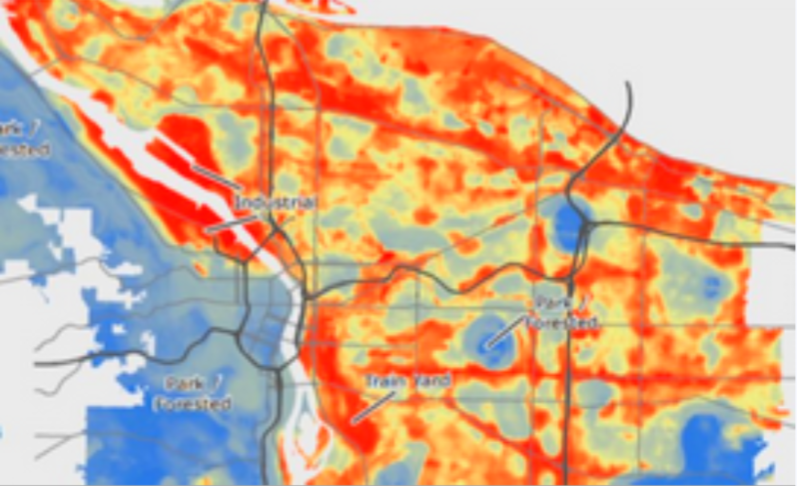
As cities grow and develop, urban heat islands (UHI) and flood risks have become significant concerns, with densely populated areas experiencing higher temperatures and increased flooding compared to their rural counterparts.
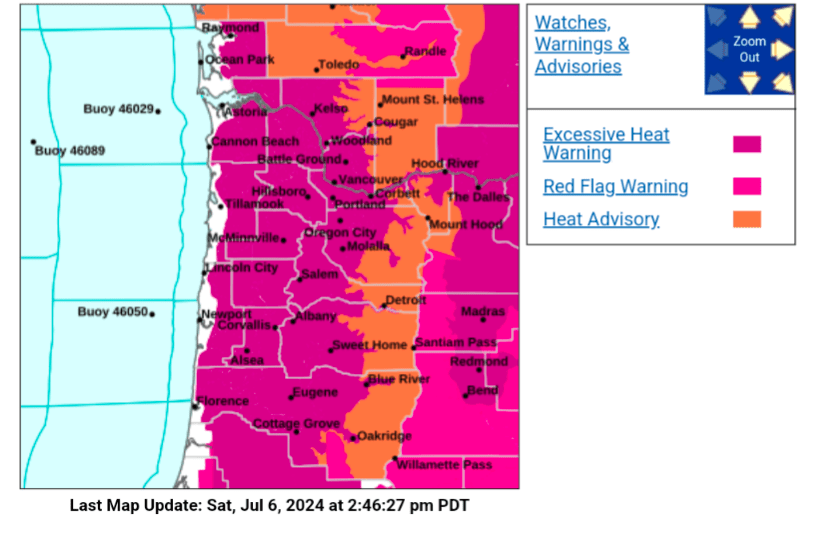
With Portland and surrounding areas experiencing record temperatures of 100 degrees or more for potentially five days straight, the importance of tree canopy growth becomes more important. These phenomena result from human activities, heat-absorbing materials like asphalt and concrete, and inadequate stormwater management. In Portland, Oregon, efforts are underway to combat these challenges through the strategic expansion of tree canopy cover, providing a cooler, more sustainable, and flood-resilient urban environment.
Understanding Urban Heat Islands and Flood Risks
Urban heat islands occur when urban areas experience higher temperatures than surrounding rural areas. This temperature discrepancy arises from various factors, including the abundance of dark surfaces like roads and buildings, which absorb and retain heat, and a lack of vegetation. These conditions can lead to increased energy consumption, elevated emissions of air pollutants and greenhouse gases, and adverse health effects on residents.
Flood risks in urban areas are exacerbated by impermeable surfaces that prevent water absorption, leading to increased runoff and overwhelmed stormwater systems. This can result in frequent and severe flooding, causing property damage, environmental degradation, and public health risks.
The Role of Tree Canopy in Mitigating UHIs and Flood Risks
Tree canopy cover plays a crucial role in mitigating urban heat islands and managing flood risks. Trees provide shade, reducing the amount of heat absorbed by surfaces and cooling the air through the process of evapotranspiration. This natural cooling effect can significantly lower temperatures in urban areas, creating a more comfortable and healthier environment for residents.
Additionally, tree roots enhance soil infiltration, reducing surface runoff and improving stormwater management. By intercepting rainfall and facilitating groundwater recharge, trees help mitigate flood risks and enhance urban resilience to extreme weather events.
Portland’s Efforts in Expanding Tree Canopy Cover
Portland has long been recognized for its commitment to environmental sustainability, and expanding tree canopy cover is a key component of the city’s strategy to combat urban heat islands and flood risks. The city has implemented several initiatives aimed at increasing tree cover and preserving existing green spaces.
Urban Forestry Program
Portland’s Urban Forestry Program is dedicated to managing and enhancing the city’s urban forest. The program focuses on planting new trees, maintaining existing ones, and educating the community about the benefits of urban trees. Through partnerships with local organizations, the program has successfully planted thousands of trees across the city, prioritizing neighborhoods with lower canopy cover, higher temperatures, and greater flood risks.
Green Streets Initiative
The Green Streets Initiative is another vital effort in Portland’s fight against urban heat islands and flood risks. This program integrates green infrastructure into the city’s streetscape by installing bioswales, rain gardens, and street trees. These features not only help to manage stormwater but also contribute to cooling the urban environment, improving air quality, and reducing flood risks.
Community Involvement and Education
Portland recognizes the importance of community involvement in its efforts to expand tree canopy cover. Various programs and events encourage residents to participate in tree planting and care activities. Educational campaigns aim to raise awareness about the benefits of urban trees and the role they play in mitigating urban heat islands and flood risks.
The Impact of Tree Canopy on Portland’s Urban Heat Islands and Flood Risks
The impact of Portland’s efforts to expand tree canopy cover is becoming increasingly evident. Studies have shown that areas with higher tree cover experience significantly lower temperatures compared to those with sparse vegetation. This cooling effect is particularly beneficial during heatwaves, reducing the risk of heat-related illnesses and improving overall public health.
Moreover, expanded tree canopy cover contributes to improved stormwater management, reducing surface runoff and mitigating flood risks. By enhancing soil infiltration and intercepting rainfall, trees help prevent flooding, protect property, and support urban resilience.
Additionally, the expansion of tree canopy cover contributes to the city’s broader environmental goals, such as reducing greenhouse gas emissions and improving air quality. Trees act as carbon sinks, absorbing carbon dioxide and other pollutants, thus helping to combat climate change and create a more sustainable urban environment.
Looking Ahead: Challenges and Opportunities
While Portland has made significant strides in expanding tree canopy cover, challenges remain. Urban development and population growth can put pressure on existing green spaces, making it essential to balance development with the preservation of urban forests. Additionally, ensuring equitable distribution of tree canopy cover across all neighborhoods is crucial to address environmental justice concerns.
To overcome these challenges, Portland continues to explore innovative solutions and strengthen partnerships with community organizations, businesses, and residents. By fostering a collective commitment to expanding tree canopy cover, the city aims to create a cooler, greener, and more flood-resilient urban environment.
Conclusion
Portland’s efforts to mitigate urban heat islands and flood risks through the expansion of tree canopy cover serve as a model for other cities grappling with similar challenges. By prioritizing green infrastructure, community involvement, and equitable distribution of resources, Portland is taking significant steps toward creating a sustainable and livable urban environment. As these efforts continue to bear fruit, the city demonstrates the transformative power of trees in combating the adverse effects of urban heat islands, managing flood risks, and promoting a healthier future for all residents.
 Surfside Washington News