
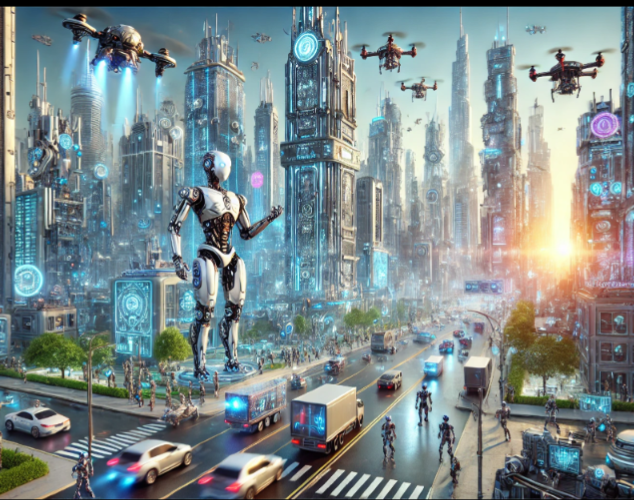
In the ever-evolving world of robotics, two names are making significant waves: Ameca and Neo. These advanced robots showcase the rapid progress in artificial intelligence and robotics technology, promising to revolutionize various sectors with their capabilities.
Ameca: The Humanoid Marvel
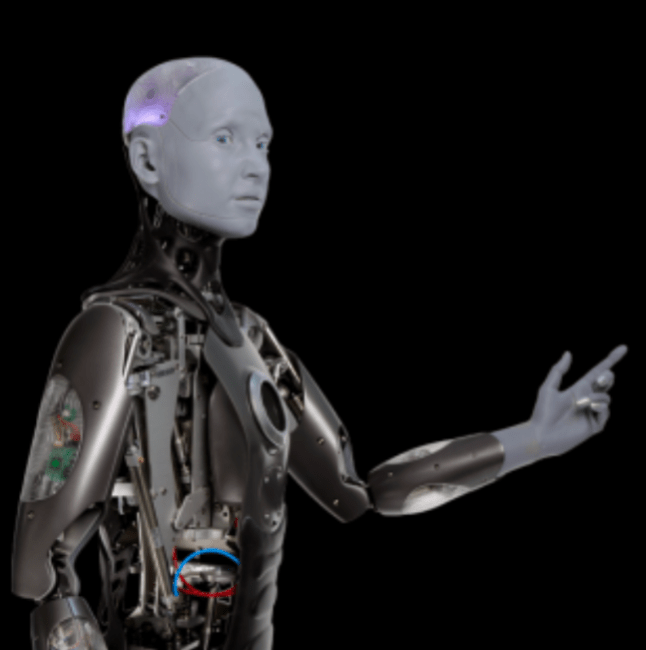
Ameca, developed by Engineered Arts, is often hailed as the most advanced humanoid robot. This marvel of modern engineering is designed to replicate human expressions and movements with remarkable precision. Ameca’s primary objective is to serve as a platform for developing and testing AI and robotics technologies.
Key Features:
- Human-Like Interaction: Ameca’s facial expressions and body language are strikingly human-like, making it an ideal candidate for roles requiring social interaction, such as customer service and reception duties.
- Modular Design: The robot’s modular design allows for easy upgrades and customization, ensuring it can adapt to various tasks and environments.
- Advanced AI Integration: Equipped with sophisticated AI, Ameca can understand and respond to human emotions, making interactions more natural and effective.
Ameca’s potential applications are vast, ranging from healthcare, where it can assist in elderly care and rehabilitation, to entertainment and education, providing interactive learning experiences.
Neo: The Autonomous Powerhouse
Neo, developed by Keenon Robotics, represents a different facet of robotic innovation. This autonomous delivery robot is designed to streamline logistics and delivery services, particularly in hospitality and retail sectors.
Key Features:
- Autonomous Navigation: Neo is equipped with advanced sensors and AI algorithms that enable it to navigate complex environments autonomously, avoiding obstacles and optimizing delivery routes.
- Efficient Delivery: With the ability to carry multiple items at once, Neo can efficiently deliver food, packages, and other goods, significantly reducing the need for human labor in repetitive tasks.
- User-Friendly Interface: Neo’s interface is designed to be intuitive, allowing users to easily interact with and control the robot, ensuring a seamless integration into existing workflows.
Neo’s role in the hospitality industry has already proven transformative, with many hotels and restaurants adopting it to enhance their service efficiency and customer experience.
The Future of Robotics
Both Ameca and Neo exemplify the remarkable advancements in robotics technology. While Ameca pushes the boundaries of human-robot interaction, Neo is revolutionizing service delivery and logistics. As these technologies continue to evolve, we can expect to see even more innovative applications and integrations across various industries.
In conclusion, the development of Ameca and Neo marks a significant milestone in the robotics field. These robots not only highlight the technological prowess of their creators but also pave the way for a future where robots play an integral role in our daily lives. The blend of human-like interaction and autonomous functionality they offer is a glimpse into a world where robotics seamlessly integrates with human activities, enhancing efficiency and improving the quality of life.
 Surfside Washington News