
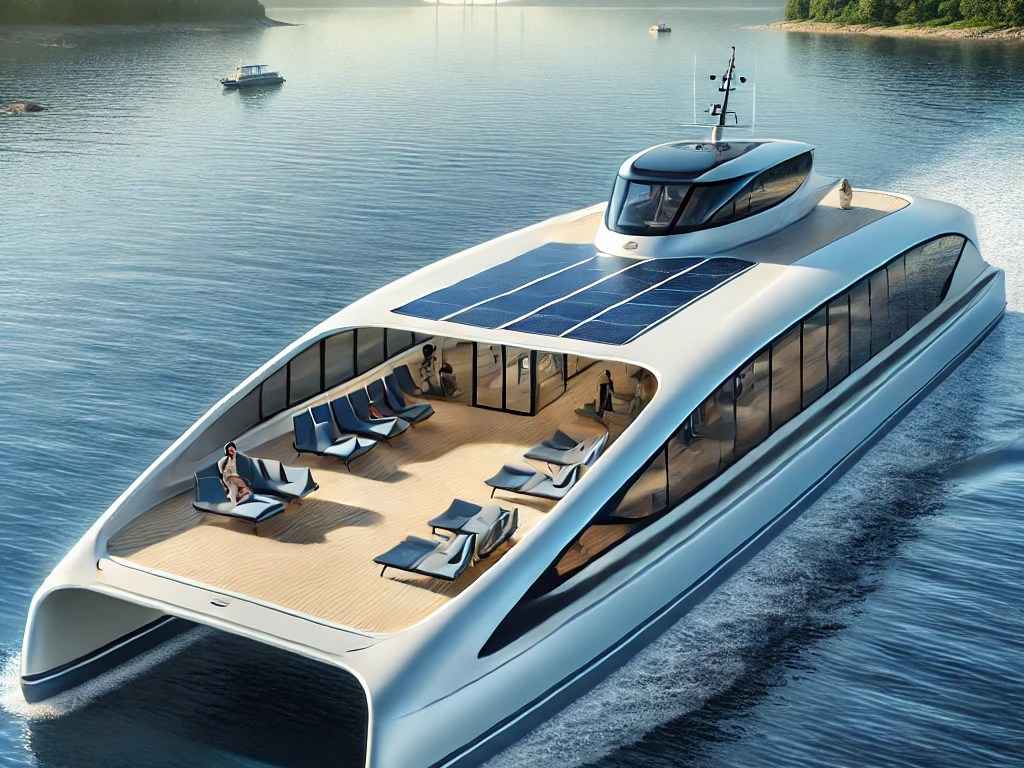
The Pacific Northwest, known for its stunning landscapes and maritime culture, is at the forefront of a transformative shift in ferry transportation. The region is embracing battery-powered electric ferries as a sustainable alternative to traditional diesel-powered vessels. This green revolution promises to significantly reduce the environmental impact of ferry services, which are a crucial part of the region’s transportation infrastructure.
The Need for Change
Traditional ferries, which rely on diesel engines, contribute to greenhouse gas emissions, air pollution, and noise pollution. The maritime industry has been under increasing pressure to find cleaner alternatives, especially as concerns about climate change and environmental degradation grow. Battery-powered electric ferries offer a promising solution, leveraging advancements in battery technology to provide a cleaner, quieter, and more efficient mode of transportation.
Pioneering Projects
One of the most notable projects in the Pacific Northwest is the conversion of the Washington State Ferries’ fleet. Washington State Ferries, the largest ferry system in the United States, has embarked on an ambitious plan to electrify its fleet. The first of these hybrid electric ferries, capable of running on battery power with diesel as a backup, is expected to set sail in the coming years. This transition not only reduces emissions but also cuts operational costs in the long run, as electric ferries are cheaper to operate and maintain.
Another pioneering example is the adoption of electric ferries in British Columbia. The province’s BC Ferries service is exploring electric and hybrid-electric technologies as part of its broader sustainability goals. This includes plans for new vessels and the retrofitting of existing ferries with battery systems.
Benefits and Challenges
Battery-powered electric ferries offer numerous benefits. They produce zero emissions at the point of use, significantly reducing the carbon footprint of ferry operations. They also operate more quietly, improving the passenger experience and reducing noise pollution in coastal communities. Additionally, electric ferries can lower fuel costs and maintenance expenses, providing long-term economic benefits.
However, the transition to electric ferries is not without challenges. One of the primary concerns is the current limitation of battery technology, which can affect the range and capacity of electric ferries. This challenge is being addressed through ongoing advancements in battery energy density and the development of efficient charging infrastructure. Additionally, the initial cost of converting or building electric ferries is substantial, although this is expected to be offset by operational savings over time.
The Future of Ferry Transportation
The move towards battery-powered electric ferries in the Pacific Northwest is a significant step towards sustainable maritime transportation. It aligns with broader regional and global efforts to combat climate change and reduce reliance on fossil fuels. As battery technology continues to advance and economies of scale are realized, the adoption of electric ferries is expected to accelerate, setting a precedent for other regions and industries to follow. For more info go here:
https://wsdot.wa.gov/construction-planning/major-projects/ferry-system-electrification
The Pacific Northwest is leading the way in the transition to battery-powered electric ferries, showcasing a commitment to innovation and sustainability. This green revolution in ferry transportation not only promises to preserve the natural beauty of the region but also serves as a model for other parts of the world seeking to reduce their environmental impact and embrace cleaner, greener transportation solutions.
 Surfside Washington News