
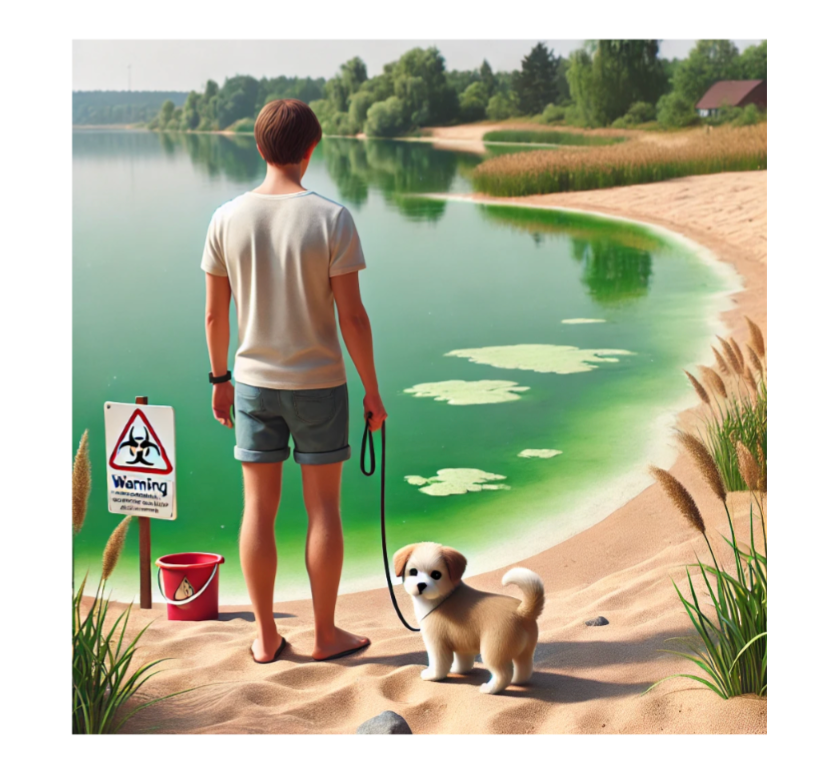
Harmful algal blooms (HABs) are increasingly recognized as a serious health hazard for humans and pets. These blooms occur when algae, particularly cyanobacteria or blue-green algae, increase in water bodies, releasing dangerous toxins such as microcystin. While the environmental impact of these blooms is significant, the direct health risks to humans and pets are even more alarming and require immediate attention. Warnings have been issued for an algae bloom containing microcystin in Sea Breeze Lake in Pacific County.
Microcystin: A Hidden Danger
Microcystin is a potent neurotoxin produced by certain types of cyanobacteria during algal blooms. This toxin can contaminate water sources, making them dangerous for any form of contact or consumption. Microcystin is particularly insidious because it is often invisible to the naked eye, meaning that even clear-looking water can harbor deadly risks.
Health Impact on Humans
Human exposure to myocytin can occur through various routes, including drinking contaminated water, consuming fish or shellfish from affected areas, and engaging in recreational activities like swimming or boating in contaminated water. The symptoms of microcystin poisoning can vary depending on the level of exposure but generally include:
- Gastrointestinal Distress: Symptoms such as nausea, vomiting, and diarrhea are common and can occur within hours of exposure. These symptoms are often the first warning signs of microcystin poisoning.
- Liver Damage: Microcystin can cause severe liver damage, which may manifest as abdominal pain, jaundice (yellowing of the skin and eyes), and elevated liver enzymes in blood tests. Chronic exposure can lead to long-term liver issues, including an increased risk of liver cancer.
- Neurological Effects: In severe cases, microcystin exposure can affect the nervous system, leading to headaches, dizziness, muscle weakness, and in extreme instances, respiratory failure or death.
The health risks are particularly high for vulnerable populations, such as children, the elderly, and those with pre-existing health conditions. Communities near water bodies prone to algal blooms often face restrictions on water use, which can disrupt daily life and lead to increased health care costs.
Health Impact on Pets
Pets, especially dogs, are at significant risk from microcystin exposure, often because they are more likely to drink from or swim in contaminated water. Dogs are particularly vulnerable because they might ingest large quantities of water while swimming or lick their fur after being in the water.
- Acute Poisoning: Symptoms in pets often develop rapidly and include vomiting, diarrhea, lethargy, difficulty breathing, seizures, and in severe cases, death. The onset of symptoms can be as quick as 15 minutes to a few hours after exposure.
- Long-Term Effects: Even if a pet survives an initial encounter with microcystin, they may suffer from long-term health problems, including liver damage and neurological issues.
Pet owners need to be vigilant about keeping their animals away from potentially contaminated water sources, especially during the warmer months when algal blooms are more likely to occur.
Prevention and Safety Measures
To protect both human and pet health, it’s essential to take proactive measures against microcystin exposure:
- Water Safety: Avoid swimming, boating, or allowing pets to play in water that appears discolored, has a foul odor, or shows visible signs of algae. Always heed local warnings about algal blooms.
- Safe Drinking Water: Ensure that drinking water is sourced from a secure supply. Avoid using untreated surface water for drinking, cooking, or pet care.
- Public Awareness: Education campaigns are critical in raising awareness about the dangers of algae blooms and the steps individuals can take to protect themselves and their pets.
Conclusion
The health risks posed by microcystin and harmful algae blooms are significant and growing. As climate change and nutrient pollution contribute to more frequent and intense blooms, the need for public awareness and preventive measures becomes increasingly urgent. By understanding the dangers and taking steps to avoid exposure, we can protect the health of both ourselves and our beloved pets from the potentially deadly effects of microcystin.
 Surfside Washington News