

On August 1st, environmental tests at Sea Breeze Lake confirmed the presence of microcystin, a toxin associated with harmful algae blooms (HABs). This development has raised significant concerns among local residents and environmentalists, as such toxins can pose serious health risks to both humans and animals.
Toxic algae blooms, often driven by a combination of warm temperatures, stagnant water, and nutrient pollution, can produce harmful toxins that affect the nervous system, liver, and skin. Microcystin, in particular, is known for its potential to cause severe illness if ingested by humans or animals, leading to symptoms such as nausea, vomiting, and in extreme cases, liver damage.
The lack of tree canopy due to tree height restrictions around bodies of water like Sea Breeze Lake has a potential impact on water temperatures and the natural protection trees provide against harmful algae blooms. Trees play a crucial role in maintaining cooler water temperatures by offering shade, which helps to limit the growth of algae that thrives in warmer conditions. Moreover, the tree canopy acts as a natural barrier against runoff, filtering stormwater and reducing the amount of nutrients, such as nitrogen and phosphorus, that enter the water. These nutrients, often carried by stormwater, can fuel algae blooms when present in high concentrations. Without adequate tree coverage, the ecosystem loses this critical line of defense, leading to warmer waters and increased susceptibility to algae blooms, which can disrupt aquatic life and water quality.
The increase of algae blooms in Washington State is a growing environmental concern, driven largely by the effects of climate change and rising temperatures. Warmer waters create ideal conditions for algae to proliferate, particularly harmful cyanobacteria, which can produce toxins detrimental to both aquatic life and human health. The combination of higher temperatures, prolonged periods of sunlight, and nutrient runoff from agricultural and urban areas exacerbates the frequency and intensity of these blooms. As a result, more lakes, rivers, and coastal waters are experiencing harmful algal blooms (HABs), leading to ecological imbalances, water quality degradation, and increased public health risks across the state.
The lack of tree preservation and growing tree canopy policies in Pacific County has led to a drastic reduction in the tree canopy around Sea Breeze Lake; this decline is primarily due to the Pacific County Planning Division’s allowance of the Surfside HOA’s enforcement of stringent tree height restrictions, even around critical areas like Sea Breeze Lake. Public officials in many cities and counties typically implement ordinances to protect and expand tree canopies, recognizing their essential role in maintaining cooler water temperatures, filtering stormwater runoff, and providing natural protection against harmful algae blooms. However, the absence of such policies in Pacific County has resulted in a ecological impact of reduced tree canopy, underscoring the need for changes to tree policy to focus on tree preservation efforts.
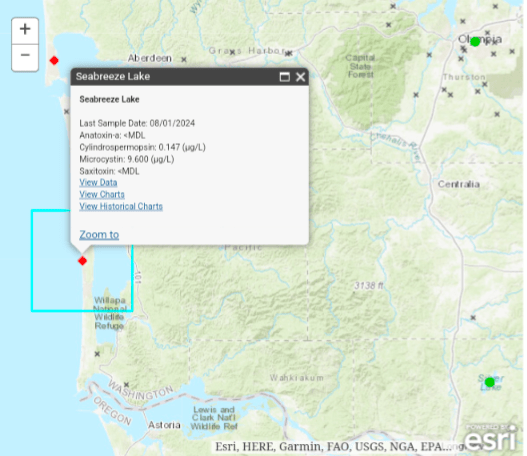
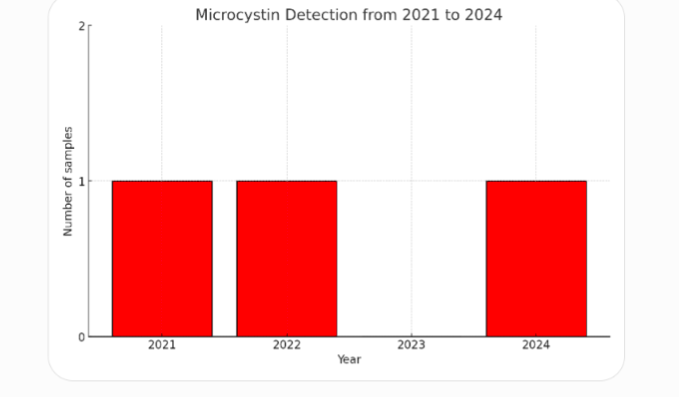
Testing in recent years show consistent issues with toxic algae blooms in sea breeze lake. Given pacific county has several waterways but sea breeze lake appears to be a consistent problem.
The Surfside HOA has provided treatment to prevent algae blooms but the treatment only lasts a certain amount of time. A warning was posted Aug 15 to keep out of the lake by the Surfside HOA.
Community members are urged to stay informed and heed the advice of local health and environmental agencies as the situation develops. Public health and safety remain the top priority, and further updates will be provided as more information becomes available about the extent of the bloom and potential remediation efforts.
For more information on toxic algae blooms downloaded the Washington department of health brochure here:
https://doh.wa.gov/sites/default/files/legacy/Documents/4400/334-136-tcbrochure.pdf
For other information go here:
https://doh.wa.gov/community-and-environment/contaminants/blue-green-algae/resources
 Surfside Washington News