
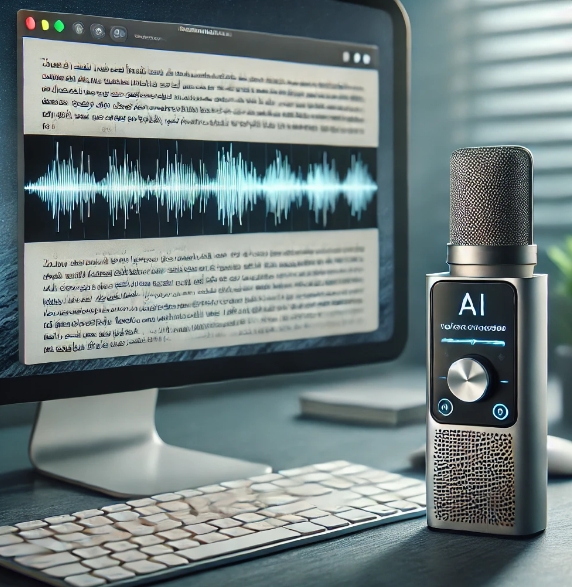
Kaiser Permanente, the largest nonprofit integrated healthcare provider in the U.S., is pioneering the use of artificial intelligence (AI) to transform medical care, especially for seniors.
During a recent doctor visit at Kaiser, I was asked if I minded having my voice recorded. Curious about the purpose, I asked the doctor why, and he explained that the recording was used to capture notes and generate a summary of the visit using AI technology. This sparked my interest, so I decided to research the topic further. I discovered that Kaiser Permanente has implemented an AI-powered clinical documentation tool that helps doctors streamline their administrative tasks. By using this technology, doctors can focus more on interacting with patients and providing personalized care, while AI captures and organizes visit summaries securely.
The organization’s latest initiative introduces an AI-powered assisted clinical documentation tool to streamline the healthcare experience for both patients and doctors. This tool, powered by Abridge, uses ambient listening technology to capture clinical notes during visits, helping clinicians focus more on patient interaction and less on administrative tasks. This advancement has the potential to greatly benefit seniors, offering more personalized and attentive care.
1. Improving Doctor-Patient Interaction
For seniors, doctor visits often involve discussing complex medical conditions and multiple medications. The new AI-assisted documentation tool helps doctors at Kaiser Permanente’s 40 hospitals and over 600 medical offices to focus more on these discussions. By automating the note-taking process, doctors can spend more time engaging with their patients, asking deeper questions, and addressing concerns without being distracted by typing or paperwork.
This tool reinforces Kaiser Permanente’s commitment to building trust between doctors and patients, allowing for more meaningful conversations, which is especially important for seniors who may require more detailed explanations and emotional support during medical visits.
2. Personalized Care
Seniors often have multiple health issues that require comprehensive attention. Kaiser Permanente’s new AI tool helps tailor treatment by creating more accurate summaries from patient-doctor conversations. This ensures that doctors are always working with the most up-to-date information, leading to more personalized care plans.
Dr. Ramin Davidoff, executive medical director of the Southern California Permanente Medical Group, emphasizes that by reducing administrative tasks, doctors can focus on the patient’s individual needs, offering transparent and effective communication. This is vital for seniors, who may need tailored advice on medication management, chronic condition care, or lifestyle adjustments.
3. Enhanced Efficiency in Care
With the help of AI, Kaiser Permanente is reducing the administrative burden that often delays or complicates care delivery. For seniors, time is of the essence when it comes to managing health issues, and quicker documentation means faster follow-up care, more efficient visits, and smoother transitions between specialists.
Kaiser Permanente has a history of successfully deploying innovative technology on a broad scale, ensuring that its services are responsive to patient needs. AI-assisted documentation helps accelerate care delivery by making it easier for doctors to review and update medical records in real time, enabling prompt action on treatments or medical tests.
4. Data Security and Privacy
Seniors, like all patients, are concerned with the privacy and security of their medical information. Kaiser Permanente and Abridge have implemented the new AI technology with these concerns at the forefront. The documentation tool is compliant with state and federal privacy laws, encrypting data to ensure confidentiality. Additionally, it operates with patient consent, meaning seniors and their families can feel confident that their personal health information is handled with the utmost care and respect.
Doctors review all AI-generated notes before adding them to a patient’s medical record, ensuring accuracy and upholding patient trust.
5. Supporting Clinician Well-Being
One often overlooked aspect of senior care is the well-being of the healthcare providers themselves. By reducing the documentation burden on doctors, the AI tool helps alleviate the mental and emotional strain that comes with high volumes of administrative work. Dr. Brian Hoberman, chief information officer of The Permanente Medical Group, explains that the new technology enables doctors to focus on what matters most—providing compassionate care.
This focus on physician well-being translates into better care for seniors. When doctors are less stressed and more present during appointments, seniors benefit from more thorough, focused, and empathetic care.
6. Adapting to Diverse Needs
Kaiser Permanente’s AI technology also supports multiple languages and over 50 medical specialties. Seniors from diverse cultural backgrounds or those needing specialized care can feel confident that this technology adapts to their specific needs. Whether it’s a language barrier or a particular medical condition, the AI tool is designed to ensure that all seniors receive comprehensive, high-quality care.
7. The Future of AI in Senior Healthcare
Looking ahead, the integration of AI into medical practices like Kaiser Permanente’s can lead to broader changes in how senior healthcare is delivered. As this technology continues to evolve, it can support even more robust and seamless interactions between doctors and patients. Future iterations may include predictive analytics that help identify health risks earlier or personalized care reminders delivered directly to patients’ devices.
With AI tools like Abridge, seniors can look forward to a healthcare experience that prioritizes both their personal needs and their privacy, while ensuring timely and efficient care.
Kaiser Permanente’s partnership with Abridge marks a significant step forward in making healthcare more patient-centered, particularly for seniors. By focusing on reducing administrative distractions for clinicians and enhancing patient engagement, Kaiser Permanente is ensuring that seniors receive the focused, personalized, and secure care they deserve. As AI continues to improve and integrate into medical practices, the benefits for seniors will only expand, promising a future where healthcare is more accessible, efficient, and compassionate.
 Surfside Washington News