
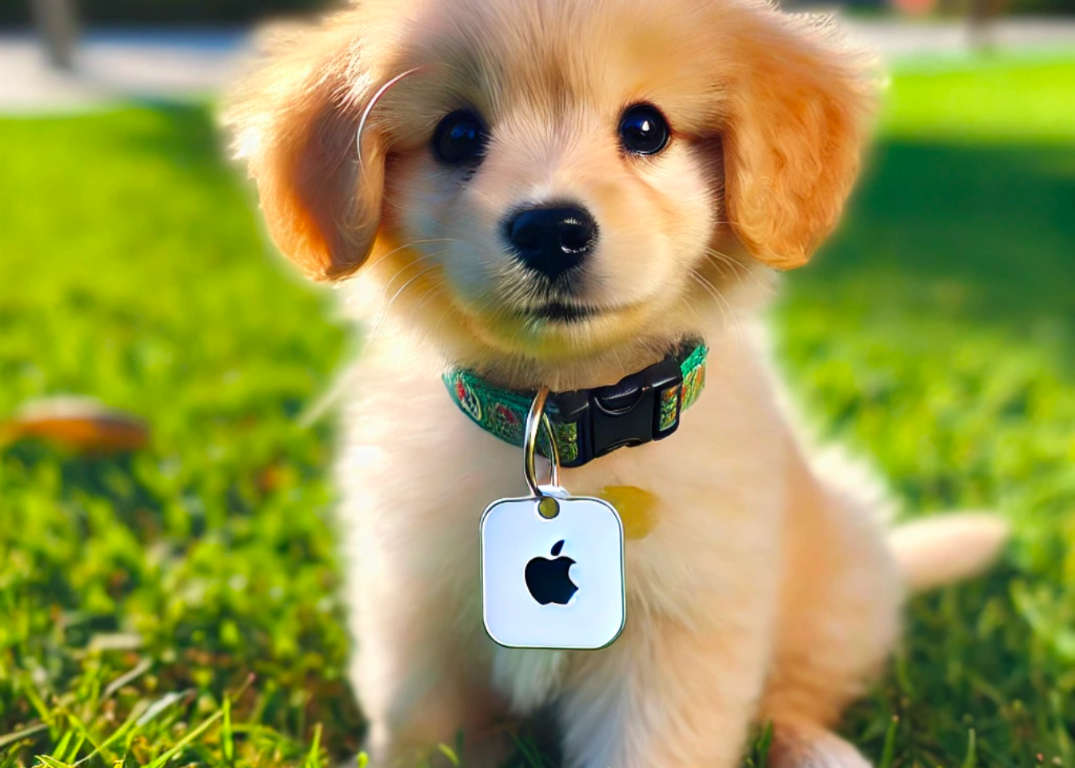
As tracking devices become more compact and versatile, Apple AirTags and Android-compatible Tiles have transformed how we manage personal belongings and even offer a way to locate pets. While primarily designed to track items like keys or wallets, these devices can help give peace of mind when attached to a pet’s collar. However, it’s important to understand both the potential and the limitations of using AirTags and Tiles for this purpose.
Everyday Uses for AirTags and Tiles
1. Keys
Losing keys is a common frustration. An AirTag or Tile on your keyring allows you to locate them quickly using your smartphone, ensuring a swift recovery.
2. Purses and Wallets
By placing an AirTag or Tile in a purse or wallet, you can prevent losses both at home and while out. Alerts can even notify you if you’ve left these items behind.
3. Luggage
For travelers, placing an AirTag or Tile in your suitcase provides tracking in busy airports, train stations, or hotels. If a bag is misplaced, you’ll have a way to locate it using the app on your phone.
4. Backpacks and Briefcases
For students and professionals, backpacks often hold valuable items like laptops and documents. An AirTag or Tile inside ensures that these essentials are easily recoverable if forgotten or lost.
5. Electronics
Laptops, cameras, and tablets can be expensive to replace. A tracking device added to an electronic case offers an extra layer of security, enabling you to find your equipment quickly.
6. Vehicles
In crowded parking lots or unfamiliar neighborhoods, an AirTag or Tile left in your car can make it easy to locate, especially in places without GPS access.
7. Sporting Equipment and Musical Instruments
Items like golf bags, bicycles, and musical instruments can be hard to replace. With an AirTag or Tile, you can track their location whether left at an event venue or a friend’s house.
8. Children’s Items
Attaching a tracking device to children’s backpacks, lunch boxes, or favorite toys can give parents peace of mind, especially at crowded events or outings.
Using AirTags and Tiles to Locate Lost Pets
For pet owners, the thought of a pet wandering off can be distressing. Attaching an AirTag or Tile to a pet’s collar offers a way to track their general location, especially during walks, at the park, or in an unfamiliar area. However, there are limitations to consider:
Range Limitations: Both AirTags and Tiles rely on Bluetooth technology, meaning they’re most effective within a certain range (typically 200-400 feet for Tiles, with AirTags relying on the nearby Apple network for extended coverage). This makes them suitable for locating pets nearby but not ideal for pets that roam far beyond Bluetooth range.
No Real-Time Tracking: Unlike GPS trackers, AirTags and Tiles don’t provide real-time location updates. AirTags can use Apple’s Find My network to approximate location when within range of any nearby iPhone, but without continuous updates, they’re less reliable for tracking a pet in constant motion.
Durability: While AirTags and Tiles are built for general use, they may not be as durable as dedicated pet-tracking devices. Pet-specific trackers are designed to withstand rough play, water exposure, and active outdoor environments, which is critical for adventurous pets.
Choosing Between AirTags and Tiles
Apple AirTags: Best for users in the Apple ecosystem, AirTags leverage the extensive Find My network, making it easy to locate items or pets in urban areas with many Apple devices nearby. However, they work only with iPhones, so Android users would need to consider alternatives.
Android Tiles: Offering cross-platform compatibility, Tiles work with both Android and iOS devices, ideal for mixed-device households. With models designed for louder alerts, extended range, and water resistance, Tiles offer versatility but lack the Apple network’s reach in large areas.
Final Thoughts
AirTags and Tiles offer a convenient, innovative way to keep track of everyday items, from keys to backpacks to pets. While they may not replace dedicated GPS pet trackers, they provide peace of mind for locating pets nearby or in familiar spaces. Understanding the limitations of Bluetooth-based tracking helps users set realistic expectations and appreciate the broader possibilities these devices offer in our connected world.
 Surfside Washington News