
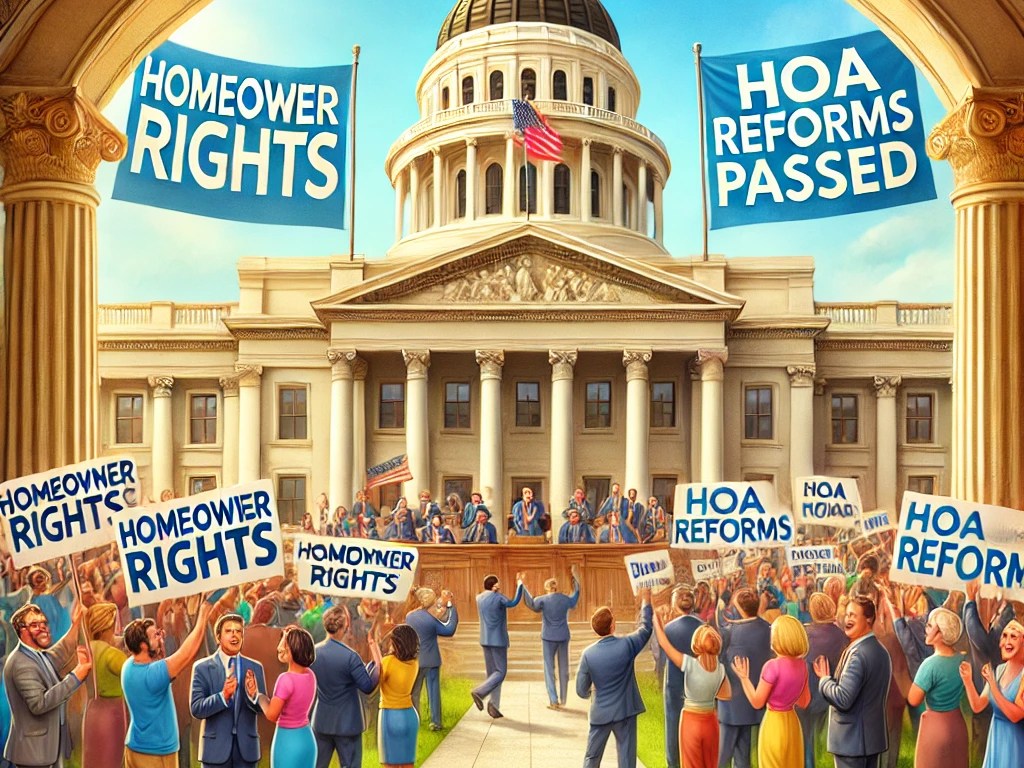
A new book Legislative Strategies: Combatting HOA Corruption. While all three authors of the book were or are members of the same Homeowners Association, it would be incorrect to assume that the legislative proposals were influenced solely by this HOA. Instead, the book reflects the collective experiences and challenges of individuals from hundreds of HOAs nationwide belonging to the HOA Legislative Reform Leaders National Group(HRLNG) addressing the diverse state laws that govern these communities. The mission is to inspire lawmakers in all fifty states to enact legislation that safeguards homeowners from HOA abuses. Though many HOAs function to benefit their members, Patrick Johansen has united people from all walks of life to challenge unjust laws and the lack of oversight in HOA governance. The book is inspired by the individual stories at HRLNG who have faced unjust treatment and found themselves without any meaningful way to have their grievances heard. This book is an effort to amplify their voices and push for reforms, urging state legislatures to enact laws that provide fair governance and accountability within HOAs.

The book Legislative Strategies: Combatting HOA corruption was written with the goal to reform laws in all states to protect and benefit homeowners. Inspired by the group HRLNG stands as the only national group dedicated to representing homeowners’ interests. The legislative strategies presented in the book are the product of collaboration among over 1,000 members, each contributing insights to combat HOA corruption.
For instance, in Florida, the tragic condo collapse caused by poor maintenance led to significant legislative changes, highlighting the urgent need for reform. The state legislature has passed numerous laws to enact legislation protecting home owners. Across the country, dedicated individuals have successfully worked with their local legislators to push for the adoption of HRLNG’s proposed policies.
Various states have introduced legislative reforms aimed at enhancing the rights and protections of homeowners within communities governed by Homeowners Associations (HOAs). These reforms, inspired by advocacy from groups like the Homeowner Rights Legislative Network Group (HRLNG) and adopted , promote transparency, fair governance, and financial stability. Here are a subset of key examples of HOA reform laws from several states:
—
Georgia: Community Association Transparency and Protection Act (House Bill 885)
Financial Planning and Stability: This legislation mandates that HOAs provide detailed annual budgets and maintain reserve funds for future maintenance costs. Homeowners are better protected from unexpected financial burdens, as these reserve funds cover necessary repairs and capital projects.
Developer Accountability: Developers are required to post performance and maintenance bonds to ensure promised community amenities are built and properly maintained. If developers fail to fulfill their obligations, HOAs can use these bonds to complete the work, preventing financial strain on homeowners.
Example: In a new subdivision in Atlanta, the law ensured that a developer who failed to complete the community pool was held accountable. The performance bond allowed the HOA to finish the project without additional assessments on homeowners.
—
Illinois: Homeowners’ Association Bill of Rights Act (HB5388)
Creation of an HOA Oversight Department: The Act establishes an HOA Department within the Attorney General’s Office, which provides guidance, oversight, and a structured dispute resolution process. Homeowners no longer have to bear the full cost and effort of legal battles alone.
Financial Transparency: The law caps annual assessment increases and requires homeowner approval for special assessments, making association budgets more predictable and ensuring that significant expenses are agreed upon by the majority.
Example: In a Chicago suburb, homeowners were able to successfully challenge an unfair special assessment for a clubhouse renovation. The Attorney General’s Office intervened, facilitating a resolution that protected the community’s financial interests.
—
Florida: HOA Reform Bill (Senate Bill 7044)
Management Standards: The bill requires community association managers to attend annual training and association meetings to ensure proper management practices. Additionally, it introduces penalties for managers who fail to comply with these standards.
Transparency and Record-Keeping: HOAs must keep detailed financial records for a minimum of seven years. Associations with more than 150 members are required to provide homeowners with digital access to these records, making it easier for homeowners to stay informed.
Example: A large association in Orlando was previously accused of hiding financial mismanagement. Under this law, homeowners gained digital access to financial records and uncovered discrepancies that were subsequently addressed, ensuring responsible use of funds.
—
Colorado: HOA Foreclosure Reform (House Bill 24-1158)
Foreclosure Protections: The law requires HOAs to provide homeowners with detailed notices, resources for credit counseling, and a minimum 90-day grace period before initiating foreclosure proceedings. Attorney fees for foreclosure actions are capped to prevent excessive legal costs from overwhelming homeowners.
Fair Auctions and Conflict Prevention: The bill prohibits association-affiliated individuals from purchasing foreclosed properties, ensuring fairness in the foreclosure process and protecting homeowners from insider deals.
Example: In Denver, a homeowner facing foreclosure over minor unpaid dues was able to use the mandatory counseling resources to negotiate a repayment plan. Additionally, the law prevented the HOA’s board members from purchasing the property, ensuring an impartial auction process.
Nevada: HOA Transparency and Accountability Act (Assembly Bill 359)
Enhanced Member Rights: The act requires HOAs to make governing documents, financial records, and meeting minutes easily accessible to all homeowners, either online or upon request. It ensures that homeowners have full transparency into how their dues are spent and decisions made by the board.
Board Member Accountability: The law imposes stricter rules for board member conduct, including mandatory conflict-of-interest disclosures and term limits to prevent power from being concentrated among a few individuals.
Example: In Las Vegas, homeowners used the new transparency provisions to uncover mismanagement of association funds, leading to the removal and replacement of several board members who were acting against the community’s best interests.
—
Arizona: Homeowner Protection Act (Senate Bill 1092)
Fair Collection Practices: This law limits the ability of HOAs to impose excessive fines and fees on homeowners for minor violations. It also requires HOAs to provide detailed notices and offer a fair hearing process before any penalties are enforced, protecting homeowners from financial abuse.
Foreclosure Safeguards: The act establishes strict guidelines for when and how an HOA can initiate foreclosure proceedings, including mandatory mediation efforts to resolve disputes and prevent the unnecessary loss of homes.
Example: In Phoenix, a homeowner facing excessive fines for minor landscaping issues was able to use the new hearing process to negotiate a fair outcome, avoiding financial hardship and ensuring better treatment from the HOA board.
—
These legislative efforts demonstrate a growing commitment to protecting homeowners’ rights and creating fair and transparent governance in communities governed by HOAs. From financial accountability in Georgia to foreclosure protections in Colorado, these laws represent meaningful steps forward in addressing the needs of homeowners across the country. There are many more bills being proposed or passed. The book is a blueprint for home owners in all fifty states to work with legislatures across all fifty states to pass more bills.
I urge home owners in HOAs to join the Facebook group to learn about the HRLNG and join us in driving state laws benefitting home owners. The state of Washington is in greater need to adopt legislation recommended in the book and pass legislation mirroring bills passed in other states to protect home owners.
 Surfside Washington News