
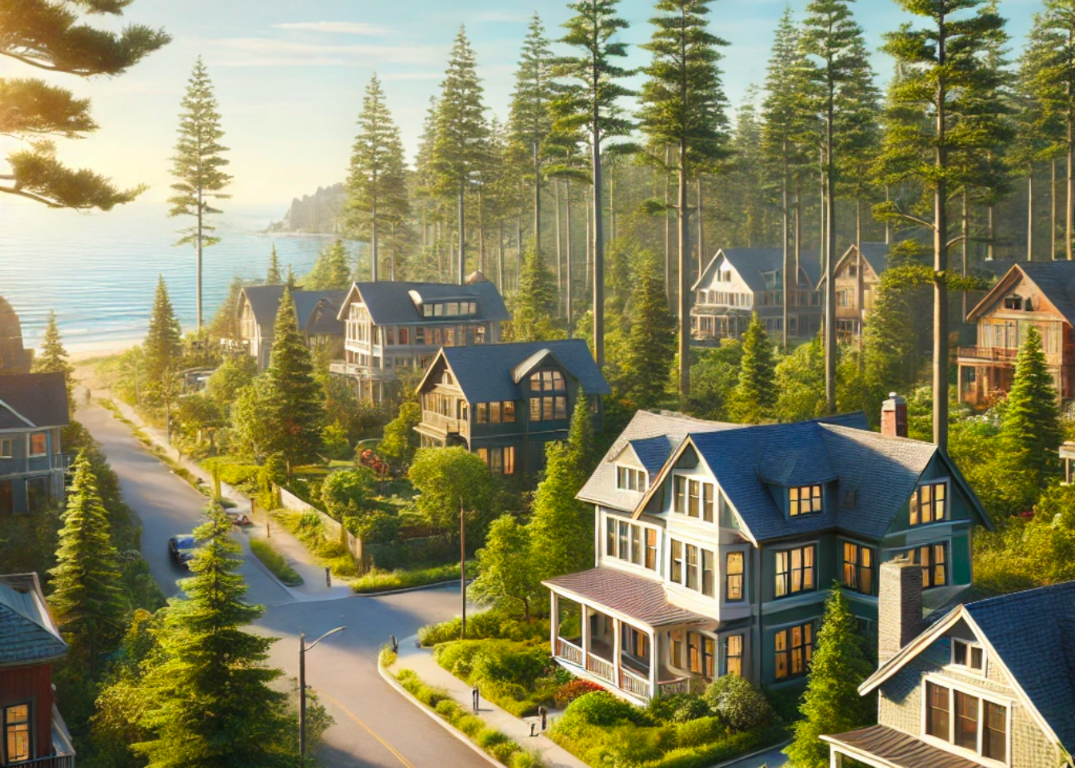
Since the 1960s, government policies on environmental protection have transformed, with tree canopy initiatives at the forefront of efforts to combat climate change, improve urban livability, and enhance public health. Beyond their aesthetic and ecological value, tree canopies have become a cornerstone of sustainability, with thousands of municipalities now recognized as “Tree Cities.” A critical, often underappreciated benefit of these initiatives is their impact on stormwater management, addressing one of the most pressing urban challenges of our time.
The 1960s: Seeds of Environmental Awareness and government policies to fight pollution
The 1960s marked the birth of the modern environmental movement. Rachel Carson’s Silent Spring (1962) revealed the dangers of pesticides, sparking a public awakening to the interconnectedness of human activities and natural ecosystems. While pollution and urban sprawl were rampant, the importance of preserving and expanding tree canopies began to surface as an essential element of environmental health. Governments worldwide responded to thousands of scientific studies highlighting the profound impact of pollution and human activity on climate change, driving policy shifts toward environmental protection. But the sixties lead the way for adoption of many environmental legislation in response to science.
Ignoring the environmental impact of laws, particularly in areas where damage occurs, constitutes negligence on the part of government leaders, as it undermines their responsibility to protect public health, natural resources, and future generations. In response to the pollution in the 1960s, the US government has passed laws for the benefit of millions of Americans many laws to protect the environment.
Major Environmental Initiatives Since the 1960s to Combat Pollution
Since the 1970s, key environmental laws and agreements have been instrumental in combating pollution and protecting natural resources. The Clean Air Act (1970) established federal regulations to control air pollution, setting emission standards for industries and vehicles, while the Clean Water Act (1972) regulated pollutant discharges into U.S. waters and funded wastewater treatment to improve water quality. The Resource Conservation and Recovery Act (1976) introduced guidelines for managing hazardous and non-hazardous waste, promoting recycling and waste reduction. CERCLA, or the “Superfund” (1980), addressed hazardous waste sites by funding cleanups and holding polluters accountable. The Montreal Protocol (1987) became a landmark international treaty by successfully phasing out ozone-depleting substances like CFCs. The Pollution Prevention Act (1990) shifted the focus to reducing pollution at its source, encouraging cleaner industrial technologies. The Paris Agreement (2015) united nations worldwide in reducing greenhouse gas emissions and transitioning to renewable energy, while the Inflation Reduction Act (2022) allocated significant funding for cutting emissions, expanding clean energy, and addressing environmental justice. Together, these initiatives underscore the growing commitment to safeguarding the environment through changing or adopting new policies. Since the 1960s, local and federal governments have not only implemented environmental laws but also enacted legislation to protect trees, recognizing them as the greatest natural defense against climate change and one of the most significant contributors to human health and environmental well-being.
The critical role of trees in combating climate change, preventing flooding and enhancing the environment for residents has driven the growth of tree initiatives and legislation, uniting small towns and large cities in the mission to protect and expand urban forests. Millions of US homeowners have reaped both economic, imroved stormwater management and health benefits from the expansion of tree canopies.
The 1970s: The Rise of Tree Cities
As environmental awareness grew, landmark legislation such as the Clean Water Act (1972) and the Clean Air Act (1970) laid the groundwork for urban forestry initiatives. In 1976, the Arbor Day Foundation introduced the Tree City USA program to encourage municipalities to prioritize urban forestry. By the end of the decade, dozens of cities had embraced the initiative, recognizing the role of trees in improving air quality, reducing energy consumption, and enhancing urban aesthetics.
The 1980s: Urban Forestry Takes Root
The 1980s saw significant investment in urban forests as cities began addressing the negative impacts of rapid urbanization. Programs like the Global ReLeaf Campaign mobilized communities to restore tree canopies, particularly in underserved neighborhoods. The number of Tree Cities grew to over 1,000 by the end of the decade, with municipalities like Sacramento and Charlotte leading the way.
The 1990s: Advocacy for Tree Canopy Expansion
By the 1990s, research solidified the vital role of trees in urban ecosystems, particularly in regulating temperatures, reducing pollution, and managing stormwater. Tree Cities surged to over 3,000, with communities adopting ambitious canopy goals. Globally, the 1992 Earth Summit highlighted the importance of forests in addressing climate change, encouraging cities worldwide to integrate urban forestry into their sustainability plans.
The 2000s: Resilience Through Urban Forestry
As climate resilience became a central focus, tree canopy programs expanded to include strategies for stormwater management. Urban forests were recognized as a cost-effective solution to mitigate flooding, filter stormwater runoff, and reduce strain on aging infrastructure. Tree City USA celebrated its 25th anniversary with over 4,000 participating cities, and urban centers like New York City launched initiatives like Million Trees NYC to expand canopies and foster community engagement.
The 2010s: A Decade of Growth
The 2010s marked a global embrace of urban forestry. Tree Cities grew to nearly 3,500 municipalities, and programs like the Bonn Challenge and Tree Cities of the World brought international attention to urban tree canopies. Advancements in technology, such as LiDAR mapping, allowed cities to monitor and optimize tree coverage, ensuring data-driven strategies for sustainable growth.
Tree Canopies and Stormwater Management: A Critical Role
Urban flooding is a growing concern as cities face more frequent and intense storms due to climate change. Tree canopies play an indispensable role in managing stormwater by:
Intercepting Rainfall: The leaves, branches, and trunks of trees slow down rainfall, reducing the volume and velocity of water reaching the ground. A mature tree can intercept thousands of gallons of water annually.
Improving Soil Absorption: Tree roots enhance soil permeability, allowing stormwater to infiltrate rather than flow into storm drains. This reduces surface runoff and helps recharge groundwater.
Filtering Pollutants: Trees act as natural filters, capturing sediment, nutrients, and pollutants in stormwater before they enter waterways. This improves water quality and reduces the ecological impact of urban runoff.
Mitigating Urban Flooding: By reducing runoff and increasing infiltration, tree canopies decrease the risk of overwhelmed stormwater systems, which often leads to localized flooding in urban areas.
Cities like Portland, Oregon, and Philadelphia have embraced tree-based stormwater solutions. Portland’s Green Streets program integrates trees into bioswales and rain gardens, effectively managing stormwater while beautifying neighborhoods. Philadelphia’s Green City, Clean Waters initiative relies heavily on tree planting to meet federal stormwater regulations and reduce combined sewer overflows.
The 2020s: Scaling Up Urban Forestry
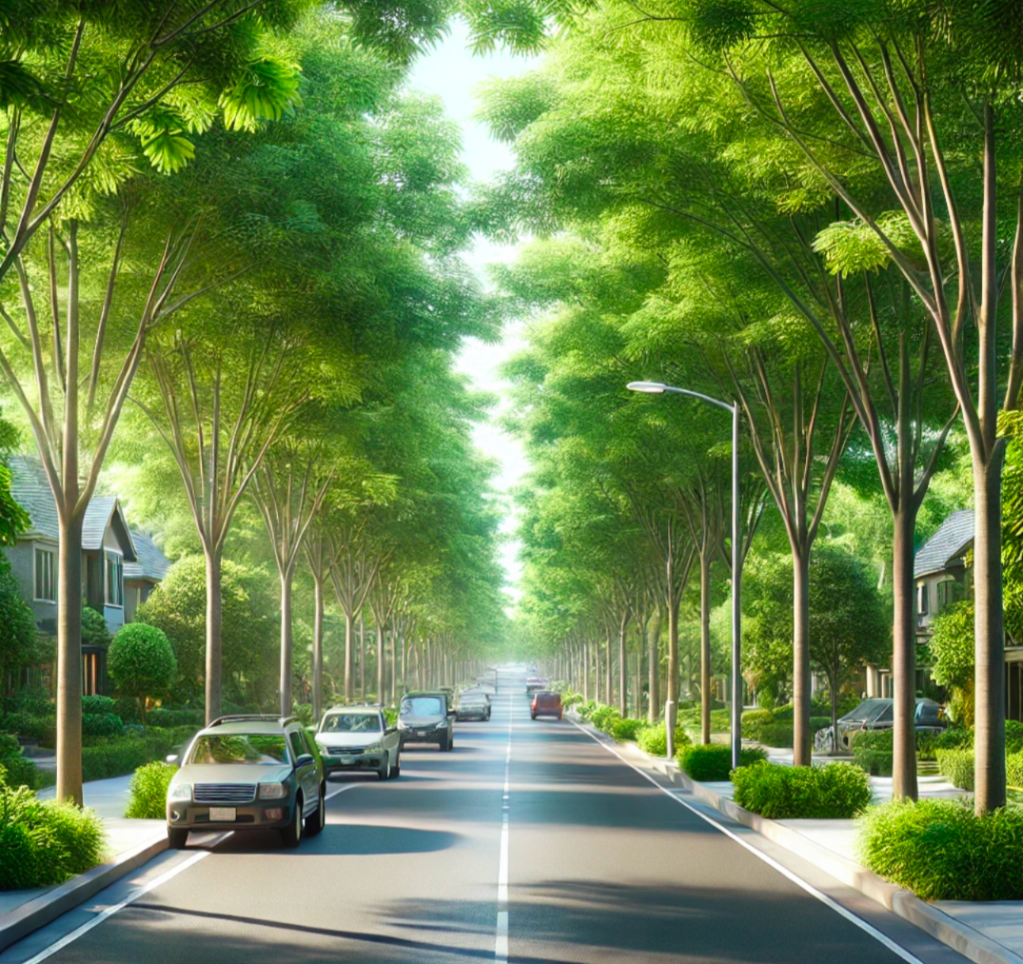
The 2020s have seen accelerated efforts to expand tree canopies, driven by the dual imperatives of climate adaptation and urban sustainability. The Tree City USA program now includes over 3,600 municipalities, with initiatives increasingly focusing on equitable access to green infrastructure.
Federal and state governments have begun allocating substantial resources to urban forestry. Programs like the Inflation Reduction Act (2022) include funding for tree planting in underserved areas, recognizing the social, economic, and ecological benefits of robust urban canopies.
Small towns and cities in Washington State have embraced a pro tree growth agenda
Smaller towns have also embraced the Tree City USA program with enthusiasm. Walla Walla, known for its wineries, has integrated tree planting into downtown beautification projects, adding over 200 trees to enhance shade and walkability. In Prosser, a town of just over 6,000 residents, community-led initiatives have focused on increasing tree canopy in parks and schools, helping the town manage stormwater runoff and create inviting public spaces. Prosser has adopted several tree ordinances to embrace policies to protect trees including banning topping street trees., in Ellensburg, the local government collaborates with residents through annual Arbor Day celebrations, during which hundreds of trees are planted along streets and trails to improve air quality and reduce urban heat.
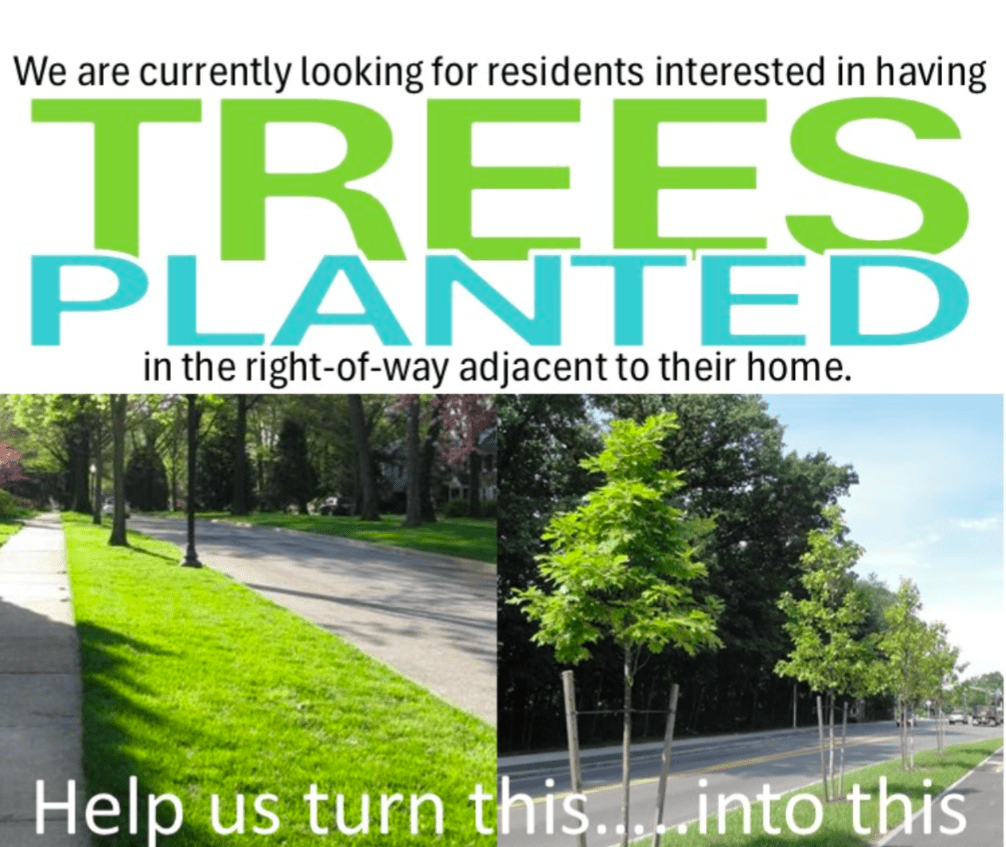
These efforts are supported by the Washington Department of Natural Resources (DNR), which provides funding and expertise to Tree Cities across the state. DNR’s Urban and Community Forestry Program has awarded grants to Washington cities in recent years, enabling communities of all sizes to prioritize tree planting and maintenance. Together, Washington’s Tree Cities exemplify how urban forestry can be a powerful tool for environmental resilience and community engagement, setting a model for the rest of the nation.
Looking Ahead
We are no longer confined by the environmental laws of the 1960s, as many governments have overturned regulations not grounded in science but in outdated beliefs, risking progress in environmental protection. Tree canopy initiatives have evolved from aesthetic enhancements to essential components of urban resilience. Their role in stormwater management, climate mitigation, and community well-being makes them indispensable to sustainable urban planning.
As cities and even rural communities continue to grow, the integration of tree canopies into stormwater strategies offers a win-win solution: reducing the risks of flooding while creating greener, healthier spaces. The Tree City movement, now spanning thousands of municipalities worldwide, reflects a profound cultural shift toward valuing trees not only as symbols of nature but as critical infrastructure for the future. we are no longer living in the sixties with changes to environmental law to protect us from climate change.
By embracing urban forestry, city and small town governments are proving that small green actions can yield transformative outcomes for generations to come. To safeguard ourselves from the severe environmental changes brought by climate change, we must urgently adopt and expand tree protection and growth policies as a critical defense for our planet and future generations. We are no longer living with outdated policies or the environment of the sixties.
 Surfside Washington News