
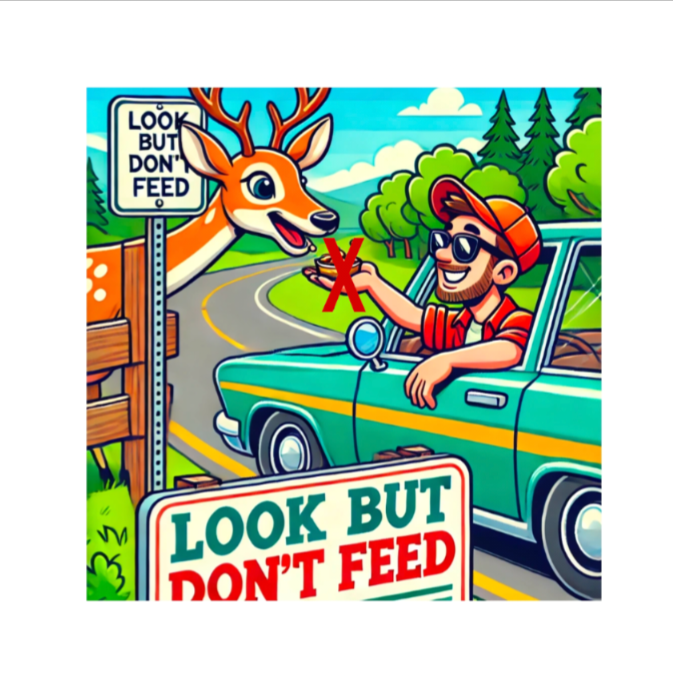
Feeding deer near roadways might seem like a kind gesture, but it poses significant risks to both the animals and drivers. As deer wander closer to roads in search of food, they increase their chances of being hit by vehicles, which can lead to severe injuries or fatalities for both the deer and the motorists involved. Beyond the immediate danger, feeding deer disrupts their natural foraging habits and can have long-term consequences for local ecosystems.
Why Feeding Deer Near Roads Is Harmful
1. Encourages Risky Behavior
Deer quickly learn to associate people and roadways with food, making them more likely to linger near traffic. This behavior increases the likelihood of accidents, especially during low-visibility conditions like dusk or dawn, when deer are most active.
2. Creates Dangerous Driving Conditions
Sudden encounters with deer can lead to severe car accidents. Swerving to avoid hitting an animal often results in collisions with other vehicles or objects, posing a risk to all road users.
3. Disrupts Natural Diets
Human food or inappropriate feeding can upset a deer’s digestive system, leading to malnutrition and illness. Deer are adapted to eat a variety of plants in their habitat, and feeding them alters their natural dietary patterns.
4. Impacts Wildlife Populations
By feeding deer, people can unintentionally contribute to overpopulation in certain areas. This can strain local resources and increase the spread of diseases within deer populations.
5. Harm to Ecosystems
Feeding deer can alter their natural behavior, affecting their role in the ecosystem. Over-reliance on human-provided food may lead to overgrazing in nearby natural areas, harming other plant and animal species.
Steps to Protect Deer and Drivers
Do Not Feed Wildlife: Resist the urge to feed deer, especially near roadways. Instead, allow them to forage naturally in their environment.
Educate Others: Share information about the dangers of feeding deer near roads to help build awareness in your community.
Install Warning Signs: Advocate for wildlife crossing signs in areas with high deer activity to alert drivers.
Maintain Speed Limits: Drive cautiously, especially in rural or wooded areas where deer are likely to cross.
Encourage Habitat Protection: Support initiatives that protect natural habitats, providing deer with safe spaces to live and forage away from roadways.
Conclusion
While feeding deer may seem like a way to connect with nature, it often causes more harm than good. By avoiding the temptation to feed deer near roadways, you can help protect these beautiful creatures and reduce the risk of accidents. Together, we can ensure the safety of both wildlife and our communities by respecting the natural boundaries that keep us all safe.
 Surfside Washington News