
Senator Merklet has introduced a S.Res. 320 to Designate July 2025 as “Plastic Pollution Action Month” in the United States, recognizing the urgent threat of plastic pollution to human health and the environment .
Senator Merkley has been a leading force in plastic pollution policy. In July 2025, alongside this resolution, he spearheaded several related legislative efforts:
The Microplastics Safety Act, which directs the FDA to investigate microplastic impacts on human health, focusing on endocrine and reproductive systems, cancer, and chronic illness in children and adults .
The Fighting Fibers Act, aiming to require microfiber filters in washing machines and further research into microfiber pollution from clothing—estimated to release up to 18 million microfibers per laundry load, with filters capable of capturing up to 90% of them .
The S.Res. 320 designates July 2025 as plastic pollution action month.
Why This Matters to Coastal Communities Along the Long Beach Peninsula
For coastal communities like those on the Long Beach Peninsula, microplastic pollution isn’t just a global issue—it’s a local crisis. With every tide, wave, and storm, plastic particles and fibers are swept into our fragile marine ecosystems, contaminating the food chain, polluting the beaches, and threatening public health. Shallow waterways, lakes, estuaries, and canals in our region are particularly vulnerable, acting as collection points for runoff that carries microplastics from roads, septic systems, and laundry exhausts.
These pollutants don’t stay in the ocean—they make their way into the fish we eat, the air we breathe, and even the rain that falls. Seniors and children in these communities face elevated risks, especially with mounting evidence linking microplastics to respiratory, endocrine, and immune disorders. The health of our residents, the vitality of our fisheries, and the preservation of our tourism-driven economy all depend on clean water and healthy marine life.
By supporting legislation like Senator Merkley’s and advocating for local tree canopy restoration—natural filters that trap airborne and waterborne plastics—we can protect not only our environment but our way of life. The Long Beach Peninsula has always depended on nature. Now, nature depends on us.
Resolution Overview
Designates July 2025 as “Plastic Pollution Action Month” in the United States, recognizing the urgent threat of plastic pollution to human health and the environment .
—
Key Background & Statistics
Global plastic production reaches about 460 million tons per year, expected to triple by 2050 .
In the U.S. (2024 figures from OECD):
Mismanaged waste: ~3%Landfilled: 73%
Landfilled: 73%
Incinerated: 19%
Recycled: 5%
In 2021, U.S. recycling rates fell to between 4–6%, with less than 3% of plastic waste reused in products of similar quality .
Single-use plastics account for at least 40% of annual plastic production .
From land-based sources alone, over 12 million metric tons of plastic enter oceans annually, with projections showing that flow could triple by 2040 .
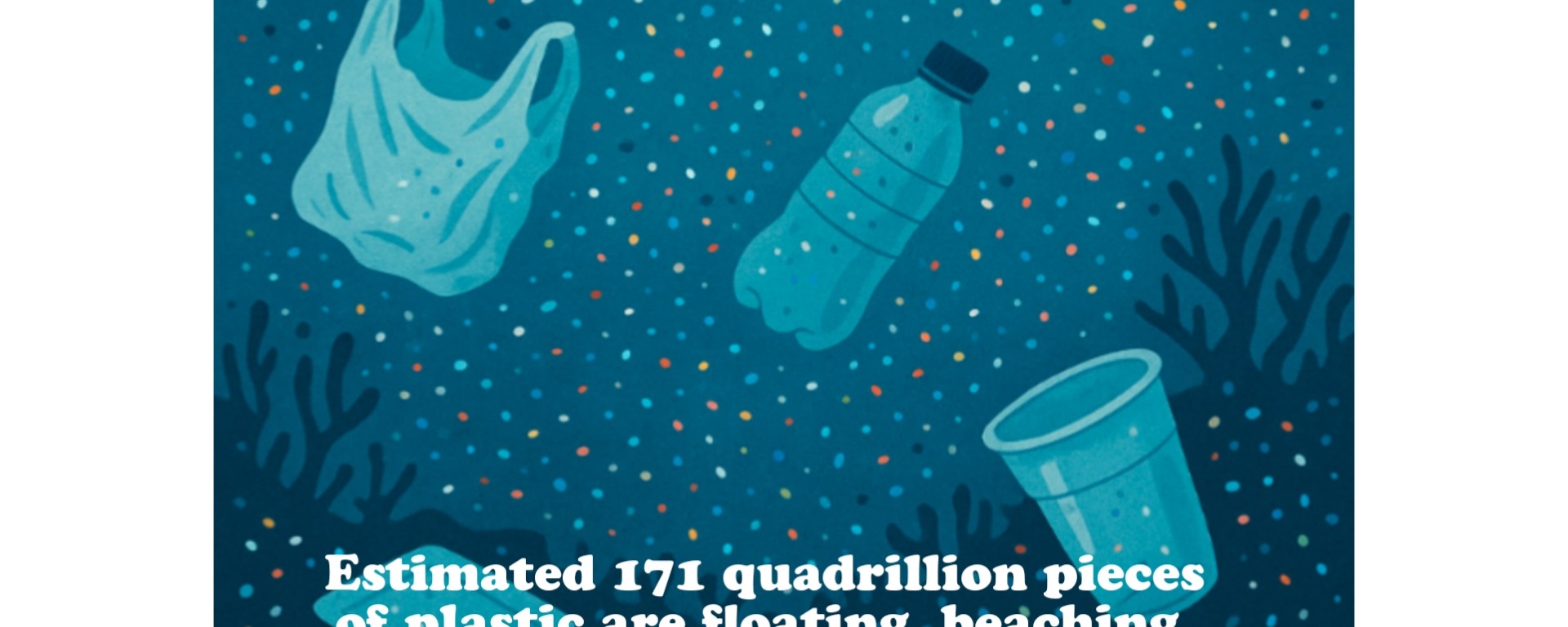
Estimated 171 quadrillion pieces of plastic are floating, beaching, or sinking in the world’s oceans — with just 1% floating, 5% on beaches, and 94% sinking .
喙 Health & Environmental Impacts
Over 2,000 marine species have ingested plastic pollution .
Microplastics have been found throughout the human body—blood, lungs, liver, breastmilk, placenta, even stool—and people ingest plastic particles daily. Multiple studies link microplastic exposure to endocrine disruption, cancer, and other chronic illnesses .
The raising awareness about plastic pollution, encouraging public participation, and building momentum toward broader legislative and regulatory solutions. It amplifies urgent environmental and public health messages and connects with existing grassroots movements.
Conclusion
Microplastics have become an insidious and escalating threat to both environmental and human health. Found in oceans, rivers, the air we breathe, and even within our own bodies, these microscopic plastic particles are polluting ecosystems and are increasingly linked to serious health risks, including endocrine disruption, cancer, and developmental disorders. As plastic production surges and recycling rates decline, urgent action is required.
One of the most natural and effective defenses lies in restoring and expanding our tree canopy. Trees act as living filters—capturing airborne microplastics on their leaves and bark, stabilizing soil to prevent runoff into waterways, and improving air and water quality. Protecting against this growing threat demands a multi-pronged approach: enacting stronger policies, investing in research, reducing single-use plastics, and growing resilient urban forests. The health of our planet—and future generations—depends on the choices we make now to reduce plastic pollution and reforest our communities.
 Surfside Washington News