
Voting for electronic voting is a vote for democracy. We should be working toward making it easy for all residents to vote. With electronic voting you get a message on your phone with a link to vote. Hundreds of surfside residents have participated in independent polling with their votes done in minutes with reminders in case they didn’t vote. Paper ballots can still be used but electronic voting saves money and is significantly easier to vote and tabulate results.
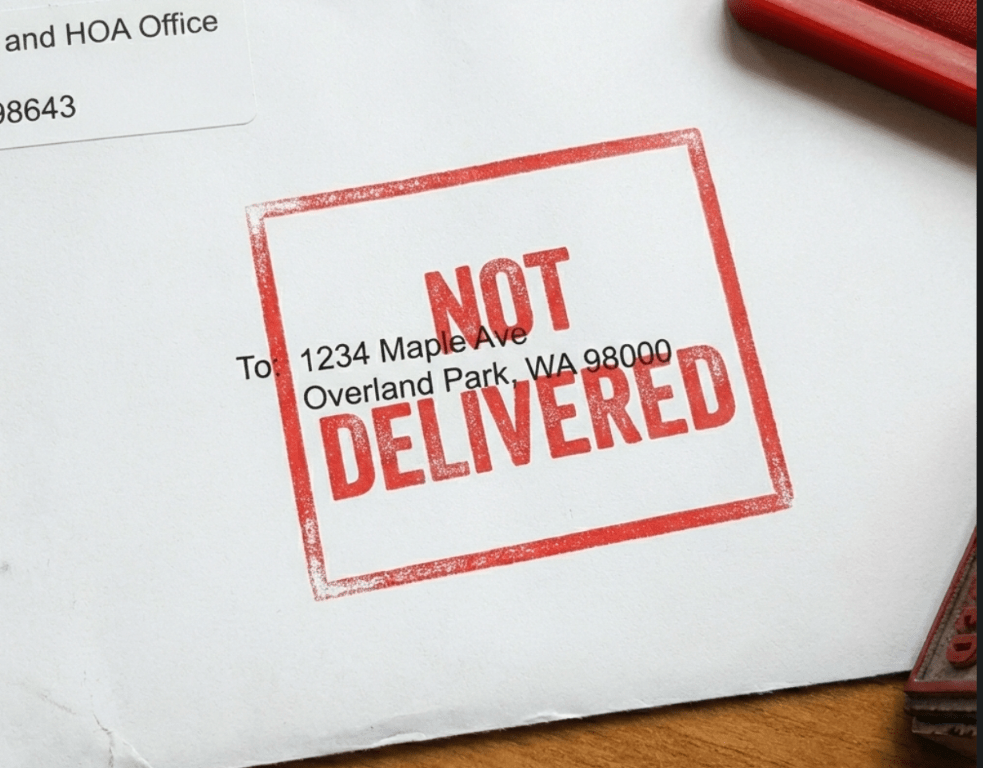
The Surfside HOA’s most recent mail ballot process has exposed flaws in relying on traditional paper voting—flaws that are now costing residents their voice and the association unnecessary expenditures. Last year, Ballots were sent using non-profit bulk mail, a class of mail that does not forward. Even a board member stated he did not receive a ballot.
I called the office about not receiving this years ballot and they explained to me the third party responsible for sending out the ballot pulled the addresses from the wrong column in the spread sheet.
With no audit trail, or mechanism to tell voters their vote was counted. Residents, especially those with remit addresses are alienated.
This year ballots were mailed to lot addresses rather than members’ designated mailing addresses, including PO boxes and off-peninsula residences commonly used by part-time and remote homeowners.
The result was predictable and avoidable: many members never received their ballots. Noone informed me of this from the HOA. I had to call.
Why Ballots Didn’t Arrive
Surfside has a large number of part-time residents who live elsewhere for much of the year. These homeowners rely on their main home mai address, PO boxes, or off-site mailing addresses—all standard and legitimate for HOA communications. By sending ballots to physical lot addresses by mistake, the HOA effectively guaranteed that a significant portion of the membership would be excluded from voting.
If you haven’t received your ballot, it’s not because you were late checking the mail or failed to update your address—it’s because the ballot was likely sent to your Surfside lot address where you don’t receive mail.
The Costly Do-Over
To its credit, the HOA has acknowledged the problem and is now sending out replacement ballots. But this fix comes at a price. Printing, preparing, and mailing ballots a second time doubles the cost of the election for incorrect addresses—costs borne by all homeowners.
This is money that could have been saved entirely.
A Preventable Problem
None of this should be surprising. Mail ballots are vulnerable to:
- Non-forwarding restrictions
- Incorrect address databases
- Seasonal residency patterns
- Postal delays or losses
- Human error in sorting and delivery
In a community like Surfside—where many homeowners are part-time or live remotely—these risks are not hypothetical; they are routine and disproportionately alienate off-site residents. If you live hundreds of miles away you can’t go to the Surfside office to deliver a ballot or pickup a lost one
As early as 2018, remote homeowners were shown to be excluded from meaningful participation, enabling local residents to consolidate control of the board through the formation of Surfside Preservation. Organizing as a remote homeowner is inherently difficult, and that challenge has been compounded by actions of the Surfside president and board to restrict member-to-member communication. Rather than making email addresses available as required by state law, the board has encouraged members to unlist their emails, claiming they could be misused, a practice that has the effect of suppressing communication, coordination, and organized opposition.
Why Electronic Voting Is the Solution
This situation is a textbook example of why electronic voting is not just modern, but necessary.
Electronic voting systems:
- Deliver ballots instantly via email or secure links to ohines
- Reach full-time and part-time residents equally
- Eliminate dependence on postal forwarding
- Reduce printing and postage costs to near zero
- Provide confirmation that a ballot was received and counted
- Increase voter participation and transparency
Most importantly, electronic voting ensures that every eligible member has an equal opportunity to vote, regardless of where they live at the moment a ballot is mailed.
Democracy Shouldn’t Depend on a Mailbox
When ballots fail to reach members, democracy fails with them. Elections should not hinge on postal technicalities, outdated mailing practices, or assumptions that all homeowners are physically present.
Surfside’s current situation demonstrates that paper ballots—especially when handled improperly—can disenfranchise voters and waste community resources at the same time.
A Clear Lesson for the Future
Sending ballots twice is not a solution; it’s a symptom of a broken system. As costs rise and participation suffers, the case for electronic voting becomes stronger, not weaker.
This ballot mishap should serve as a turning point. Surfside has the opportunity to learn from this experience and adopt a voting method that is fairer, more reliable, more inclusive, and far more cost-effective.
Electronic voting isn’t about convenience—it’s about protecting every homeowner’s right to participate in the decisions that shape their community.
The board has repeatedly ignored and opposed electronic voting, despite its clear benefits. Expanding voter participation would reduce the influence of a small, organized bloc of Surfside Preservation members who currently dominate elections and the board, and would restore broader, more representative homeowner participation in Surfside’s governance.
By the way I did receive my Surfside bill. Collecting money is a priority for the board not ensuring democracy in Surfside.
Clearly someone should be held accountable for this error. The board paid a third party but clearly did not provide oversight to ensure it was done properly. Verifying the mail list have be done as a standard verification step before address labels were printed. This should be a responsibility of the election committee. The head of this committee should resign given the glaring mistake.
 Surfside Washington News