
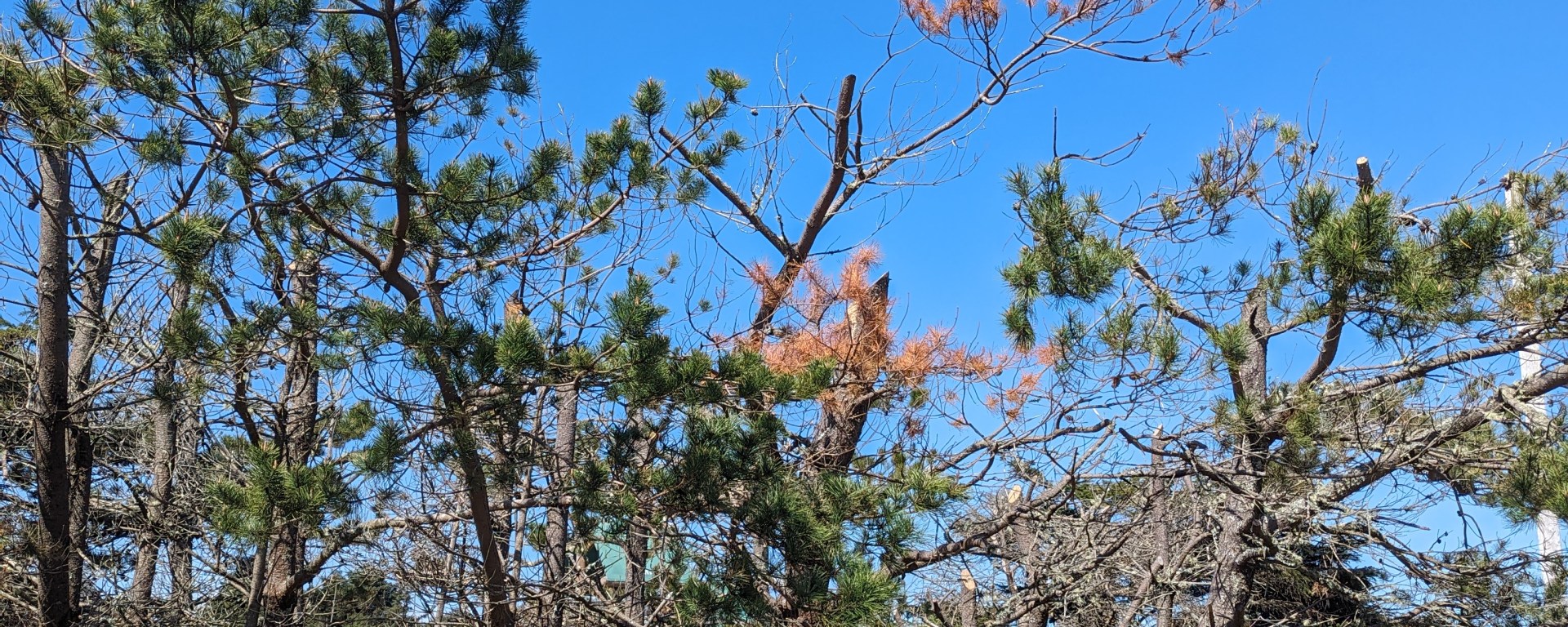
In Surfside, Washington, a contentious debate over tree height restrictions highlights a clash between maintaining scenic views and environmental health. These restrictions, set at 16 feet and 24 feet to preserve ocean views, are criticized for damaging the tree canopy and exacerbating climate change effects.
Fifty years ago, the tree height restrictions in Surfside were established without foresight into the severe effects of climate change. Originally intended to preserve aesthetics and views, these restrictions overlooked the crucial environmental benefits trees offer. Larger trees can combat increased temperatures, flooding, enhance carbon sequestration, stop erosion and provide critical habitat and cooling shade for wildlife. In light of the escalating impacts of climate change, there is an urgent need to revise these outdated planning rules to prioritize tree preservation and growing tree canopy.
Balancing Views and Environment: Surfside’s Tree Height Debate
The regulation, although beneficial for property values due to enhanced views for a select few home owners , leads to significant environmental degradation. Trees are topped to meet height limits, resulting in a weakened, unnatural appearance and in many cases damaged trees. This practice harms the environment by stunting a mature trees’ growth, crucial for absorbing CO2 and preventing flooding

Measuring tree canopy using scientific tools
Imagine two scenarios. In one, a vibrant canopy of mature trees, their outstretched branches reaching 35 feet or higher, stands guard over a community. In the areas between j place and the ocean trees are limited to 16 feet or 24 feet. This might seem like a not a big difference, but for Surfside, Washington, it could spell the difference between weathering a storm and facing flood devastation. The estimated tree canopy measurement was done using a tool called i-Tree Canopy estimates tree canopy using random point sampling on aerial imagery. The findings indicate that areas in Surfside with tree height restrictions have about 18% tree canopy coverage, while areas with 35 foot trees boast 50%. However, the 18% figure can be misleading as cities like Portland and Vancouver do not count trees under 16 feet in height as significant contributors to stormwater management. Consequently, such trees are ineligible for tree rebate programs due to their limited flood protection benefits. Additionally, many of the trees in these restricted areas are either dead or dying, often as a result of being topped, as depicted in the upper right photo.
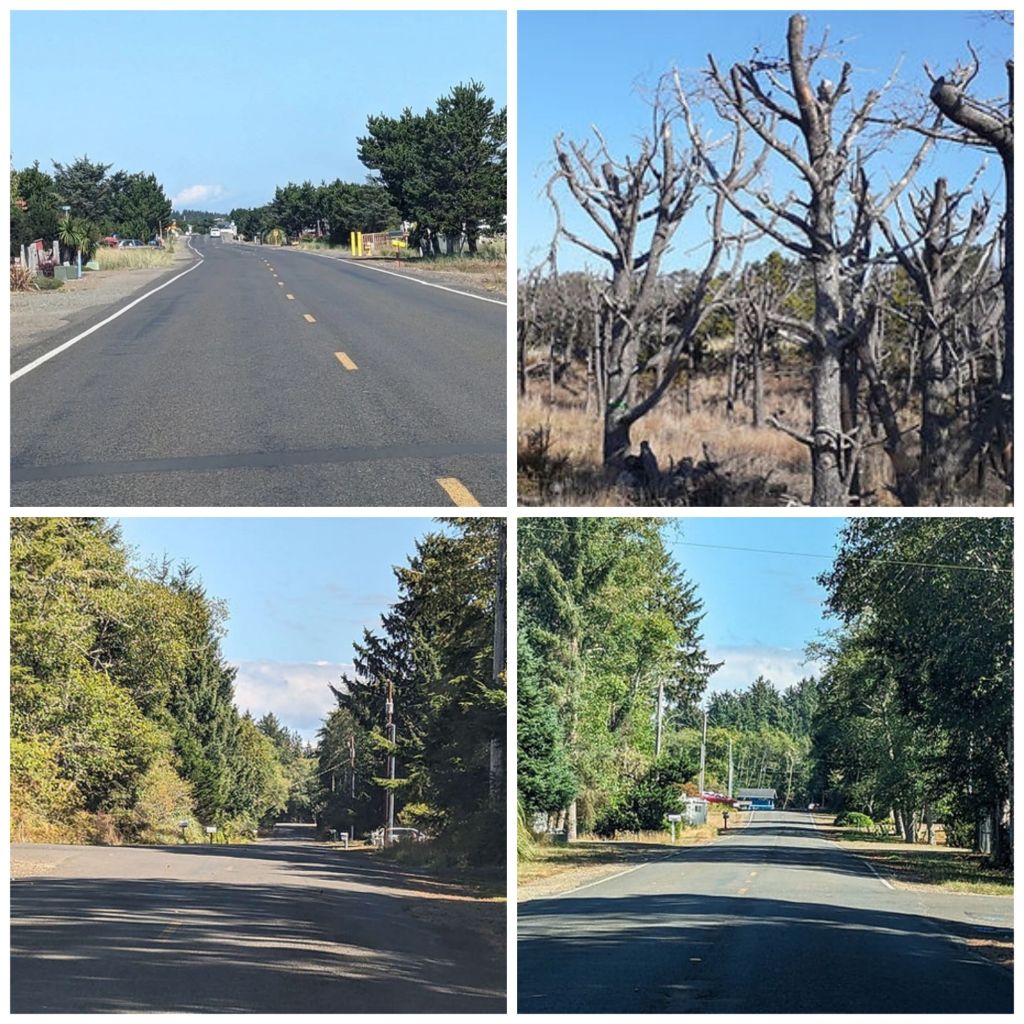
The images displayed above illustrate variations in tree height. The top two photos represent Surfside, while the bottom left photo is from Ocean Park, located south of Surfside. The bottom right photo shows the area east of Surfside. The visual comparison makes the differences in foliage and tree canopy apparent. The upper right photo shows the destruction of trees that, although included in tree canopy statistics, realistically offer no actual benefits to the canopy. Unfortunately, there are too many trees that have died due to the topping to avoid heavy fines.
The sixteen foot healthy trees, while included in the tree canopy measurements, are considered too short to be counted in other cities due to their minimal impact on stormwater management.
The Height of Controversy: How Surfside’s Tree Restrictions Impact Climate Resilience
Surfside’s tree height restrictions have sparked concern, not just for the ugliness of its landscape riddled with dead or hideous looking trees., but for its environmental destruction in the face of increasingly volatile weather. Studies show a stark contrast between the water absorption capacities of these two scenarios. A mature tree with a 35-foot canopy can theoretically intercept and evaporate up to 4,000 gallons of rainwater per year, while a young, 16-foot tree manages only around 1,000 gallons. In an area with 50% mature tree cover, that translates to a staggering 200,000 gallons of intercepted water per acre annually, compared to just 50,000 gallons with limited canopy size. These are estimates and depend on the tree but clearly larger trees have larger canopies that can absorb more water.
This difference is crucial, especially in flood-prone regions. Washington state, already experiencing more frequent and intense rainfall events, has recognized the vital role of healthy tree canopy in mitigating flood risk. Many cities and counties have implemented ambitious tree-planting initiatives, aiming for 30% to 40% canopy cover. Seattle, for example, estimates its urban forest saves the city millions in stormwater management costs annually.
Expanding and Protecting Tree Canopy in Critical Areas
Increasing tree canopy and safeguarding trees in critical areas are vital strategies for enhancing urban and rural environments alike. Trees play a crucial role in mitigating climate change by absorbing storm water, providing shade to prevent algae blooms, and reducing harmful chemicals from entering waterways. In sensitive regions, such as lakes and canals that are erosion-prone areas, trees stabilize the soil and manage water runoff, protecting water quality and preventing soil loss. By strategically expanding tree canopies in these areas,, residents are more protected against flooding. These efforts require coordinated planning and sustained commitment to ensure that green spaces thrive around critical areas especially in protecting large trees.
The benefits of mature trees extend beyond water absorption. Their deep root systems improve soil infiltration, further reducing runoff and preventing erosion. Surfside WA built mainly on sand is highly susceptible to sand erosion due to high winds and heavy rains. Their are many homes next to the beach that have high sand dunes piled high in the yards of their homes. They also provide shade, lowering water temperatures and reducing evaporation, thereby increasing water availability during dry periods. But erosion is a major concern.
A video time lapse to illustrate how beach erosion occurs.
Growing Concerns: Surfside’s Tree Height Limits and the Rising Risk of Environmental Damage
Surfside’s current trajectory paints a concerning picture. With limited canopy height, the community loses these crucial benefits, increasing its vulnerability to flooding and associated damages. Additionally, the stunted trees are more susceptible to wind damage, soil erosion and disease, potentially shortening their lifespans and exacerbating the issue further.
There is growing concern among residents and environmental advocates that the Pacific County Planning Division may be overlooking the established tree height restrictions in Surfside. This perceived ignoring of concerns is thought to be an effort to maximize property values by a select group of residents this increasing revenue from property taxes, which are buoyed by the enhanced property values associated with unobstructed ocean views. Critics argue that this approach disproportionately benefits wealthier property owners in Surfside , who value expansive views over environmental health and sustainability. This tension underscores a deeper issue within the community, where short-term financial gains through increased property values are prioritized at the expense of long-term environmental impact and the ability of the community to fight the severe effects of climate change.
Surfside and Pacific county have a choice. It can cling to its height restrictions, potentially facing higher flood risks and losing valuable environmental benefits. Or, it can embrace the environmental benefits of a diverse, mature tree canopy, securing natural protection against climate change and a flood-resistant future for its residents. The time to act by eliminating tree height restrictions is now, before the ocean rises and more severe storms impact the community and the consequences will be too late to prevent.
Call to Action: Urging Pacific County Leaders to Embrace Tree canopy growth for Sustainable Development
Mayors and county officials in Washington have recognized the benefits of investing in preserving trees and growing tree canopy. Ordinances are passed to reach the goal of a rich urban environment and growing trees to the benefit of all residents. The question is why leaders in Pacific county are not doing the same. Pacific county is doing the opposite by allowing ROW trees to be downed including on pathways to the beaches. The area cannot continue to see trees being downed further. Even more concerning, homes are being constructed without consideration for tree preservation, neglecting an important natural solution for stormwater management. Lots are cleared leaving no trees on the property.
There will be a lot to answer for with regard to homes lost due to ignoring the impact of climate change and the lack of investment in growing tree canopy and stormwater protection.
At the very least, Pacific County should fund a study to assess the tree canopy in Surfside and evaluate the impact of minimal tree coverage and tree height restrictions on stormwater management, wildlife, residents, and flood prevention. More importantly, however, there is a pressing need to amend laws to prioritize the preservation and expansion of tree canopies.
 Surfside Washington News
very insightful and clear letter. One concern to me is the lack of interest from Pacific County planners. I understand that a minimum would be a study, however too often governments use studies to create a paralysis by analysis philosophy until after election. Laws built on facts provided by scientific communities and state entities such as DNR&EPA would be logical. But possibly being logical is not logical.
thank you
Annette Birch
LikeLike