
Introduction
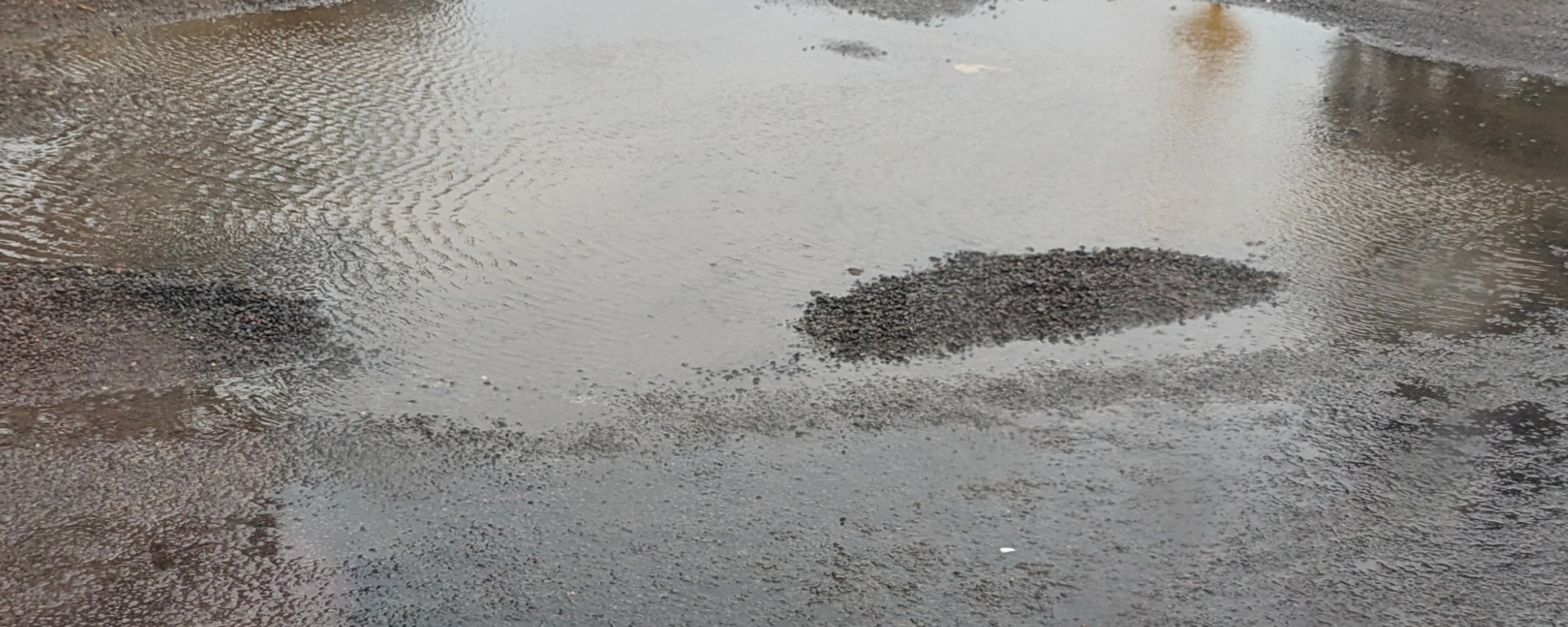
Standing water alongside roadways poses a multifaceted threat to public safety and infrastructure integrity. The absence of adequate drainage systems exacerbates this risk, endangering pedestrians, motorists, and property alike. In this article, we explore the dangers associated with standing water and the lack of investment in drainage ditches, emphasizing the critical role of row trees in mitigating these hazards. The lack of investment in drainage systems in Surfside Wa, the continue removal of right of way trees, and the lack of tree canopy increases the dangers caused by thestanding water.
Standing water next to roadways can contain a variety of chemicals which are from fertilizers or tire chemicals like metals, oils, and microplastics on roadways during rainfall. These chemicals can seep into the water from leaks, spills, and runoff, posing risks to aquatic life and wildlife. This includes pets if they attempt to drink from standing water.
Pedestrian Pathways
When sidewalks and pedestrian pathways become inundated with standing water, they transform from safe passages to potential hazards. Pedestrians navigating through flooded areas face an increased risk of slips, falls, and injuries. Moreover, obscured hazards lurking beneath the water’s surface, such as potholes or debris, heighten the danger, particularly at night.
The lack of proper drainage infrastructure compounds these risks, as stagnant water persists for extended periods, impeding pedestrian mobility and compromising accessibility. Inadequate investment in drainage ditches along sidewalks further exacerbates the problem, leaving pedestrians vulnerable to the perils of standing water.
Senior Dog walkers especially at risk
For seniors who walk their dogs, areas with standing water pose a significant risk of falls due to slippery surfaces and obscured obstacles. The potential for injury is heightened by age-related mobility issues and balance difficulties. The holes and uneven surfaces occurs when standing water persists. It’s crucial to address standing water hazards in these areas to protect the safety and well-being of elderly dog walkers, ensuring they can continue to enjoy their outdoor activities without undue risk.
Menacing Threats to Motorists
For motorists, encountering standing water on roadways can quickly escalate from an inconvenience to a life-threatening situation. Hydroplaning, reduced traction, and compromised braking distances significantly increase the likelihood of accidents, especially during inclement weather. Potholes and structural damage caused by prolonged exposure to standing water further endanger motorists and their vehicles, leading to costly repairs and potential injuries.
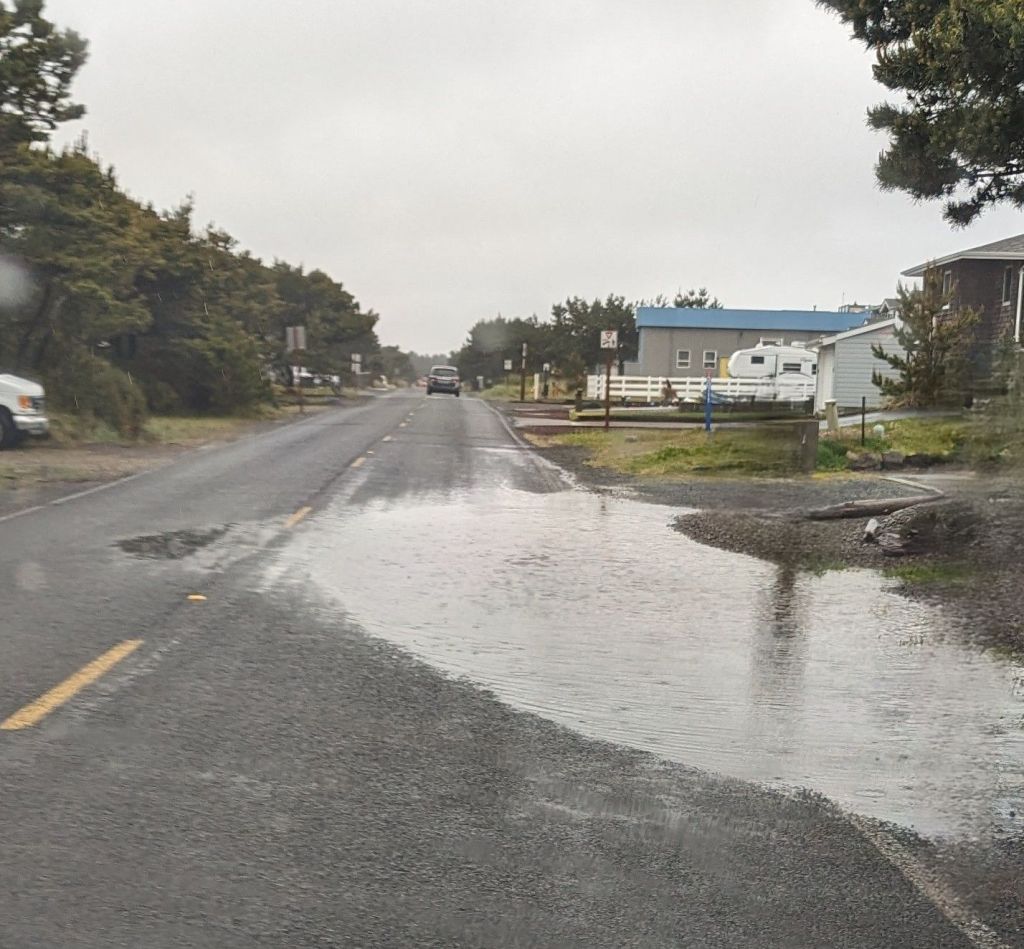
The absence of effective drainage systems exacerbates these dangers, as water accumulates on road surfaces, heightening the risk of flooding and hydroplaning. Without proper investment in drainage infrastructure, motorists remain vulnerable to the unpredictable hazards posed by standing water on roadways.
Property Perils and Roadway Ravages
Beyond threats to public safety, standing water and inadequate drainage systems inflict damage on both private property and public infrastructure. Residential and commercial properties situated near roadways are particularly susceptible to flooding and water damage, jeopardizing structures and landscaping alike. Prolonged exposure to standing water can compromise foundations, weaken structures, and promote mold growth, necessitating costly repairs and restoration efforts.
Moreover, roadways themselves suffer the consequences of poor drainage, as standing water accelerates pavement deterioration, leading to potholes, cracks, and surface degradation. Without proper investment in drainage ditches and road maintenance, the integrity of road infrastructure diminishes over time, exacerbating safety hazards and increasing maintenance costs for the county.
The Crucial Role of Row Trees
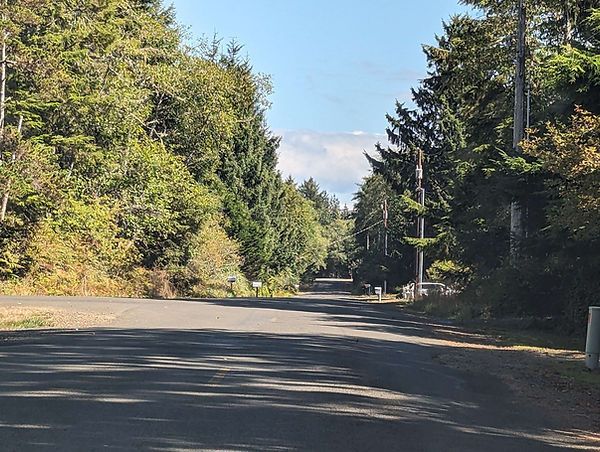
Areas with a low percentage of tree canopy face heightened risks of flooding due to their diminished capacity to absorb and mitigate excess water. In these regions, the absence of tree cover allows rainwater to accumulate more rapidly and exacerbating the likelihood of flooding and standing water in roadways . Without the natural buffer provided by trees, standing water becomes a pervasive hazard, posing threats to public safety, property, and infrastructure. The lack of tree canopy not only diminishes the ecosystem’s ability to regulate water flow but also amplifies the impact of standing water-related dangers, including increased risk of property damage, road hazards, and public health concerns. As such, investing in the expansion of tree canopy coverage is essential for bolstering resilience against flooding and mitigating the risks associated with standing water in vulnerable areas.
Standing water alongside roadways presents a multifaceted threat to public safety, property, and infrastructure integrity. The lack of investment in drainage systems exacerbates these risks, leaving pedestrians, motorists, and communities vulnerable to the perils of flooding and water damage. However, by prioritizing the preservation and expansion of row trees alongside roadways, we can harness nature’s resilience to mitigate these hazards and create safer, more sustainable urban environments for generations to come.

