

Nestled along the coast of Surfside, Washington, Sea Breeze Lake is far more than a quiet neighborhood water feature—it is a thriving ecological refuge, supporting a rich web of wildlife that depends on its waters, shorelines, and surrounding tree canopy.

A Sanctuary for Migratory Birds
Sea Breeze Lake and its interconnected canal system serve as a vital stopover and seasonal home for migratory birds traveling along the Pacific Flyway. These waters provide food, shelter, and safe resting areas for species that rely on coastal ecosystems during long migrations.
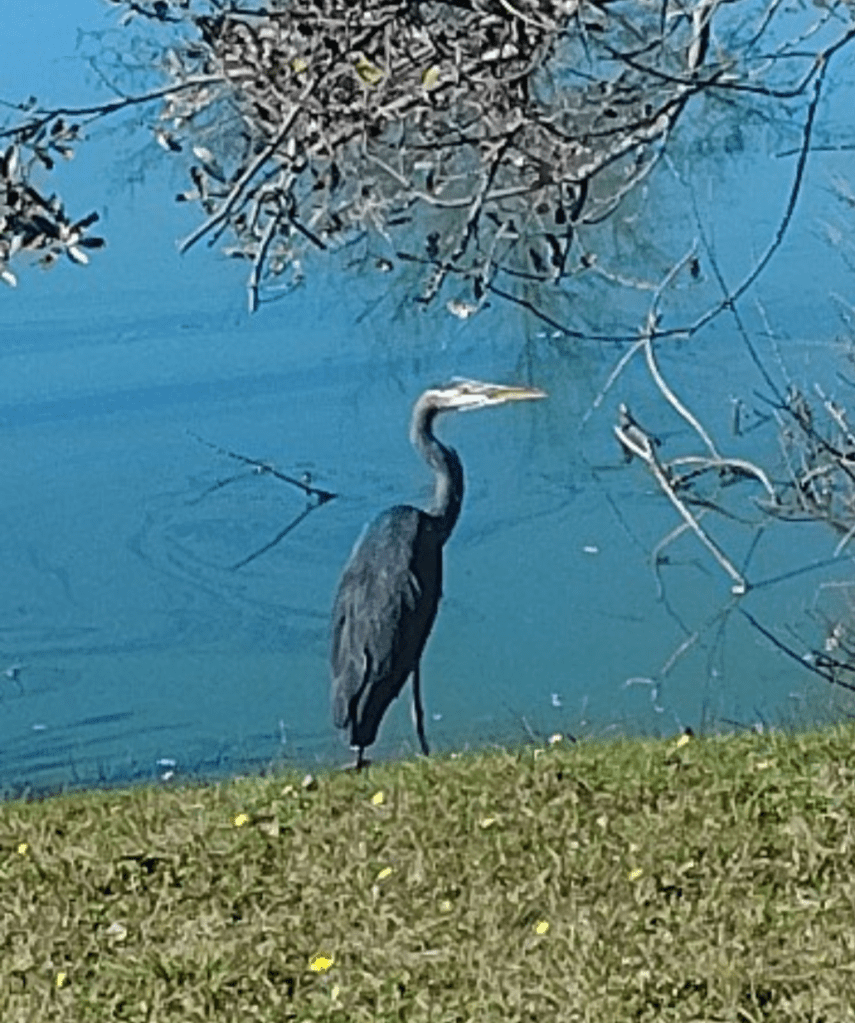
Throughout the year, the lake hosts a wide variety of waterfowl and shorebirds, including ducks, geese, and other migratory species that glide across the calm surface. Great blue herons stalk the shallows, while swallows and songbirds fill the air above the waterline. Even majestic bald eagles can be seen nesting in nearby trees, surveying the lake for fish and reinforcing the area’s importance as a top-tier habitat.
Life Beneath the Surface
Beneath the reflective surface of Sea Breeze Lake lies another essential component of this ecosystem— fish populations that sustain both aquatic life and the birds that depend on them. These fish not only contribute to the ecological balance of the lake but also attract predators like herons, kingfishers, and eagles, creating a dynamic and interconnected food web.
The Long Beach Peninsula including Surfside is a true birdwatcher’s paradise, hosting over 300 species and nearly 300,000 migratory birds each year across its rich mix of coastal, wetland, and forest habitats.
From the soaring Bald Eagle and lightning-fast Peregrine Falcon to the fishing Osprey, graceful Great Blue Heron, diving Brown Pelican, and vibrant coastal species like the Western Sandpiper, Semipalmated Plover, Rufous Hummingbird, Belted Kingfisher, and Cedar Waxwing, the Long Beach Peninsula offers birdwatchers an unforgettable diversity of wildlife.
The canals extending from the lake further enhance this system, offering additional habitat corridors that support aquatic movement and biodiversity. Together, the lake and canals function as a continuous living network.

A Haven for Wildlife on Land
The surrounding properties and natural vegetation provide critical habitat for terrestrial wildlife. Deer are frequent visitors, often using the quiet, sheltered environment to give birth and raise their young. Residents have witnessed firsthand the miracle of life here—newborn fawns taking their first steps in yards adjacent to the lake. Nestled in a tree was a deer with her newborn nestled along the shore of the canal.

Rabbits are in many areas, darting through grasses and shrubs, while a diverse array of birds nest in the trees that line the canals. These trees are not just scenic—they are essential. They provide nesting sites, shade, and protection, helping regulate temperatures and maintain the health of both land and water ecosystems.
Trees: The Lifeline of the Ecosystem
The tree canopy surrounding Sea Breeze Lake and its canals plays a foundational role in sustaining this habitat. Trees stabilize soil, reduce runoff, and filter nutrients before they reach the water. Their roots help maintain shoreline integrity, while their branches offer nesting and perching sites for countless species.

Equally important, the shade from these trees cools the water, creating a more hospitable environment for fish and limiting conditions that can lead to harmful algae growth. In this way, trees act as natural infrastructure—quietly but powerfully supporting the entire ecosystem.
A Fragile but Vital Balance
Sea Breeze Lake is a reminder that even man-made or modified environments can evolve into critical habitats. Despite its origins, the lake now supports a complex and thriving ecosystem that benefits migratory birds, fish, and land-based wildlife alike.
Algae blooms last year devastated the fish population in the lake. The increased algae blooms is partially caused by tree height restrictions of 16 feet and heavy fines leading to residents downing trees or topping them leading to dead trees. The resulting low tree canopy of only 14% leads to more pollutants flowing into canals and lakes. Without nature’s air and water filters, the waterways are more susceptible to pollutants flowing into the lake.
Protecting this balance means recognizing the interconnected roles of water, wildlife, and trees. The lake and its canals are not isolated features—they are part of a larger ecological system tied to the surrounding coastal environment and ultimately the Pacific Ocean.
Connected to the Pacific Ocean through outfalls, these waters play a vital role in flood protection—but safeguarding the water quality of lakes and canals is essential. Clean water supports not only Surfside’s wildlife, but also impacts the broader aquatic ecosystems of the Pacific Ocean connected by pipe.
A Living Legacy Worth Protecting
From nesting eagles to newborn fawns, from swimming migratory birds to the quiet presence of fish below the surface, Sea Breeze Lake stands as a living testament to nature’s resilience. It is a place where wildlife finds refuge, where ecosystems intersect, and where the value of preserving tree canopy and natural habitat becomes unmistakably clear.
In Surfside, this lake is not just scenery—it is life. The lakes and canals are man made but they have become an integrated part of the eco system in north Pacific County.
 Surfside Washington News