
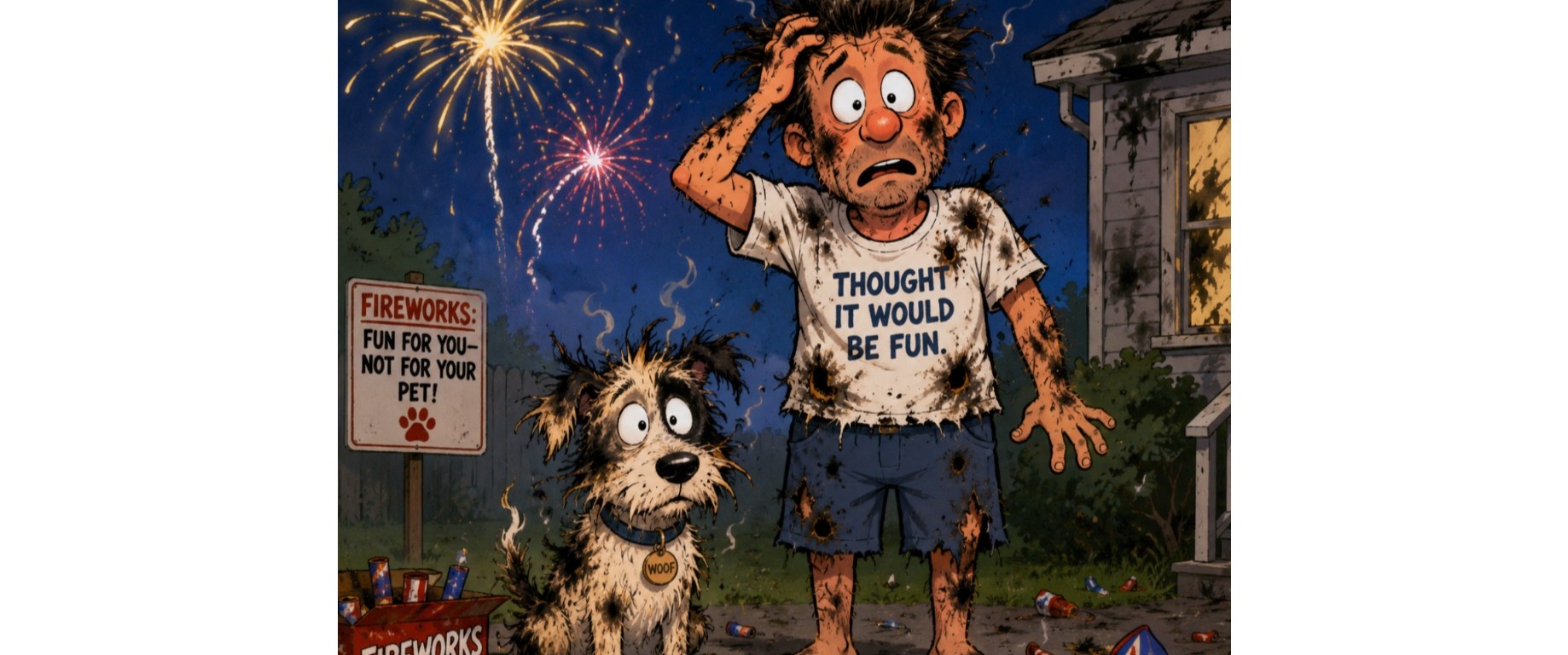
The Fourth of July is one of the busiest weekends of the year on Washington’s Long Beach Peninsula, drawing tens of thousands of visitors to enjoy the beaches, parades, and spectacular fireworks over the Pacific. While fireworks are a cherished tradition, it’s important to understand where they are legal—and how to celebrate safely. We all love fireworks but be safe.
Fireworks Restrictions
Consumer fireworks are prohibited within the city limits of Long Beach and Ilwaco. Even if purchased elsewhere.
Long beach restrictions
Visitors should also be aware that local regulations may be more restrictive than Washington’s statewide fireworks laws. Consumer fireworks are generally allowed only in certain unincorporated areas of Pacific County and only during approved dates and times. Fireworks should never be discharged near dunes, vegetation, buildings, or other people, and should be completely soaked in water before disposal. If on the beach you must keep fireworks 150 feet from the dunes. Check with local regulations before firing off fireworks.
Fireworks are prohibited in Surfside.
For many families, the safest and easiest way to celebrate is by attending one of the peninsula’s professional fireworks displays, including the annual show in Long Beach or in Ilwaco.
If you are on the beach, you may consider making the safe decision to not fire off any of your own fireworks. There are plenty of enthusiastic amateur fireworks Pyrotechnicians. Just realize it’s a war zone out there. And the people firing off many prohibited fireworks listed below are not exactly well trained.
Reloadable mortar tubes and shells (canister shells or festival balls).
Bottle rockets.
Sky rockets.
Firecrackers.
M-80s and other explosive devices.
Homemade fireworks.
The loud blasts and bright flashes from fireworks can be frightening for pets, young children, veterans, and others who are sensitive to sudden noise. Dogs and cats may panic, escape from yards, or become injured while trying to hide. Children can also be startled by unexpected explosions. Consider earplugs for children. Aerial fireworks add another risk because strong coastal winds, faulty launches, or tipped mortar tubes can send them off course, creating a danger to nearby people, homes, vehicles, and the surrounding dunes and vegetation. Keeping a safe distance and attending professionally managed displays is the safest way to enjoy the holiday.
In addition, many Pacific County residents are seniors who value a quiet evening and a good night’s sleep. Fireworks that continue well past midnight can be disruptive to older adults, families with young children, and those who need to work the next day. Being a considerate neighbor by finishing fireworks by 10:00 p.m.—or at the latest by 11:00 p.m.—helps everyone enjoy a safe and respectful Independence Day celebration.
Here are some other regulations for beach fires you should be aware of regarding fire safety.
Official Legal Code (WAC 352-32-125): The official Washington Administrative Code rule for fires in state parks and ocean beaches. It specifies that recreational beach fires must be at least 100 feet from the dunes and no more than 4 feet in diameter/height: Washington State Legislature – WAC 352-32-125
- WA State Parks Alerts: Check this page for up-to-date, park-specific burn bans and emergency restrictions across Washington State Parks: Washington State Parks Alerts
- WA Department of Natural Resources (DNR): For broader wildfire safety restrictions, rule burn information, and to access the state burn portal, visit: WA DNR Outdoor Burning Regulations
Fireworks Can Turn Dangerous in Seconds
Every year, thousands of Americans are injured while using consumer fireworks. According to the U.S. Consumer Product Safety Commission, fireworks were responsible for approximately 13,000 injuries and 15 deaths nationwide last year. The highest injury rates occur among people between 15 and 24 years old. The severity of firework injuries include
Serious burns.
Eye injuries that can lead to permanent vision loss.
Finger and hand amputations.
Facial trauma.
Fires involving homes, vehicles, or vegetation.
Even sparklers—often viewed as harmless children’s fireworks—burn at temperatures exceeding 2,000°F, hot enough to melt some metals and cause severe burns in seconds. Roughly 1,300 injuries last year involved sparklers alone.
Fireworks Safety Tips
If you choose to use legal consumer fireworks:
- Never allow young children to ignite fireworks.
- Keep a bucket of water and a garden hose nearby.
- Light only one firework at a time and move away quickly.
- Never relight a malfunctioning (“dud”) firework. Wait at least 20 minutes, then soak it thoroughly in water before disposal.
- Never use fireworks while under the influence of alcohol or drugs.
- Wear shoes and eye protection, and keep spectators at a safe distance.
- Keep pets indoors, as loud explosions can cause extreme stress and anxiety.
- Have a fire extinguisher nearby in case a fire starts.
Enjoy the Holiday Responsibly
The Long Beach Peninsula’s Fourth of July traditions have created lasting memories for generations. By respecting local fireworks regulations and practicing common-sense safety, residents and visitors can help protect families, pets, first responders, and the beautiful coastal environment.
Whether you choose to watch the brilliant professional display over the Pacific or celebrate with legal fireworks in approved areas, the goal is the same: enjoy an unforgettable Independence Day and make sure everyone gets home safely. And be sure to clean up after yourselves. Nothing worse for local residents is to see the beaches they love littered with trash and fireworks debris.

