
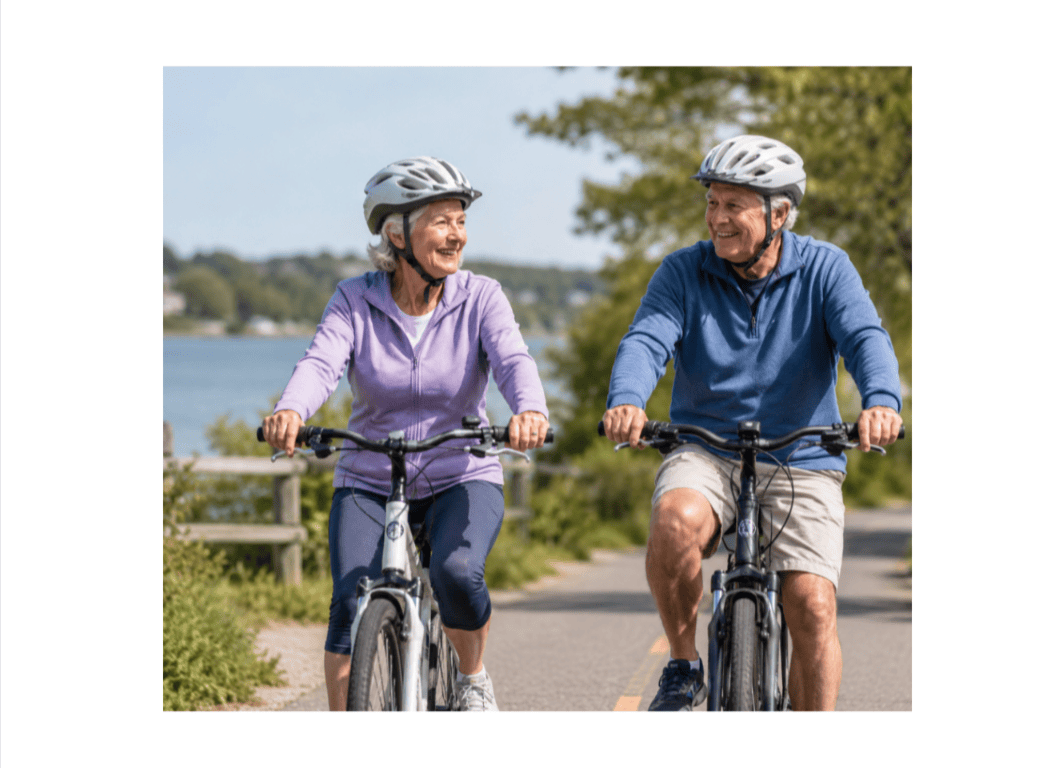
Electric bicycles and electric scooters have transformed short-distance transportation. They make it easier to get around without a car, provide mobility for people who may no longer be comfortable riding a conventional bicycle, and can help older adults remain active and independent.
But there is an important safety issue that deserves greater attention: a fall that might cause relatively minor injuries in a younger rider can have much more serious consequences for an older adult.
Why Seniors Face Greater Risk From Falls
As people age, several normal physical changes can make falls both more likely and more dangerous. Reaction time may become slower, balance can decline, muscle strength can decrease, and bones can become more susceptible to fractures.
An older rider may therefore have less time to recover when an e-bike suddenly accelerates, a scooter wheel encounters a pothole, or the rider loses balance while stopping.
The consequences can include:
- Hip, wrist, arm and shoulder fractures
- Head and facial injuries
- Rib fractures
- Serious bruising and soft-tissue injuries
- Longer hospitalization and rehabilitation
- Loss of mobility or independence following a major injury
Head injuries are particularly concerning. A helmet cannot prevent every injury, but wearing a properly fitted bicycle helmet is one of the most important precautions an e-bike or scooter rider can take.
E-Bikes Are Heavier and Often Faster Than Regular Bicycles
One difference that can surprise new riders is weight.
A conventional bicycle might weigh around 25–35 pounds, while many e-bikes weigh 50–75 pounds or more because of their battery, motor and heavier frame.
That additional weight matters when maneuvering at low speeds or trying to prevent a bicycle from falling.
Speed matters too. Depending upon the type of e-bike, electric assistance may operate at speeds of 20 mph or even 28 mph. At those speeds, riders have less time to react to vehicles, pedestrians, animals, sand, gravel, potholes and unexpected obstacles.
For seniors, the safest e-bike isn’t necessarily the fastest or most powerful one.
A lightweight bicycle with predictable power delivery, excellent brakes, wide tires and a low step-through frame may be a much better choice.
Electric Scooters Present a Different Problem
Standing electric scooters can be particularly challenging for riders with balance or mobility limitations.
Their wheels are generally much smaller than bicycle wheels. A pothole, pavement crack, loose gravel, curb edge or debris that a bicycle might roll across can destabilize a scooter much more abruptly.
Scooter riders also stand relatively upright with little surrounding protection. When the front wheel suddenly stops, the rider’s momentum can carry the body forward.
For an older person at elevated risk of fractures, that can turn a seemingly minor accident into a serious medical event.
The Most Dangerous Moments May Be at Low Speed
Not every serious injury occurs while traveling quickly.
Starting and stopping can be difficult for some older riders. An e-bike can begin moving unexpectedly if the rider applies too much pedal assistance or throttle while trying to mount it.
A tall bicycle can also become difficult to hold upright once it starts leaning.
For many seniors, a step-through e-bike is preferable because the rider doesn’t have to swing a leg over a high frame. Being able to place both feet securely on the ground while stopped can also improve confidence and stability.
Riders should become completely comfortable starting, stopping, turning and braking before riding in traffic.
Consider a Three-Wheel E-Bike
For some older adults, an electric tricycle may be worth considering.
Three wheels can eliminate some of the balancing requirements of a conventional bicycle, particularly while stopped. However, trikes have their own handling characteristics. They are wider, turn differently and can potentially tip during turns if taken too quickly.
A three-wheel design should therefore not be considered impossible to fall from. Training and conservative speeds remain important.
Safety Equipment Becomes More Important With Age
Older riders should consider protection as seriously as they would when participating in any activity where a fall could cause a fracture or head injury.
At minimum, riders should consider a properly fitted helmet, bright or reflective clothing, front and rear lights, mirrors and gloves. Riders particularly concerned about falls may also consider additional knee and elbow protection.
Footwear matters as well. Shoes should provide secure footing and should not easily slip from pedals or pavement.
Practice Before Heading Onto Busy Roads
Someone purchasing an e-bike after not riding a bicycle for 20 or 30 years shouldn’t assume the experience will immediately feel familiar.
Electric assistance changes the riding experience.
New riders can begin in a large empty parking area or another safe location away from traffic. Practice should include accelerating gently, braking progressively, emergency stopping, making tight turns, looking behind while maintaining a straight path, starting on an incline and safely getting on and off the bicycle.
Pedal assistance should initially be kept at its lowest setting.
Confidence should come from developing skills—not simply from increasing speed.
Know When an E-Bike or Scooter May Not Be Appropriate
Age alone should never determine whether someone can safely ride. Many people remain excellent cyclists well into their 70s and 80s.
The more important considerations are balance, vision, reaction time, strength, coordination and the ability to make rapid decisions.
Certain medications can also cause dizziness, sleepiness or changes in blood pressure that may affect riding safety. Anyone experiencing balance problems, unexplained dizziness or recent falls should consider discussing e-bike or scooter use with a healthcare professional.
Mobility and Safety Can Go Together
E-bikes can provide tremendous benefits for older adults. They can encourage outdoor activity, increase independence and allow people to continue cycling when hills, wind or physical limitations make conventional bicycles difficult.
The answer isn’t necessarily for seniors to avoid e-bikes.
It is to recognize that older bodies can be less forgiving when a fall occurs.
Choose equipment based on stability rather than speed. Wear a helmet. Start slowly. Practice extensively. Avoid poor weather and hazardous surfaces. Don’t ride beyond your physical capabilities.
Most importantly, don’t underestimate an electric bicycle or scooter simply because it looks recreational.
For an older rider, selecting the right equipment and riding conservatively can make the difference between an enjoyable form of transportation and a life-changing fall.

