
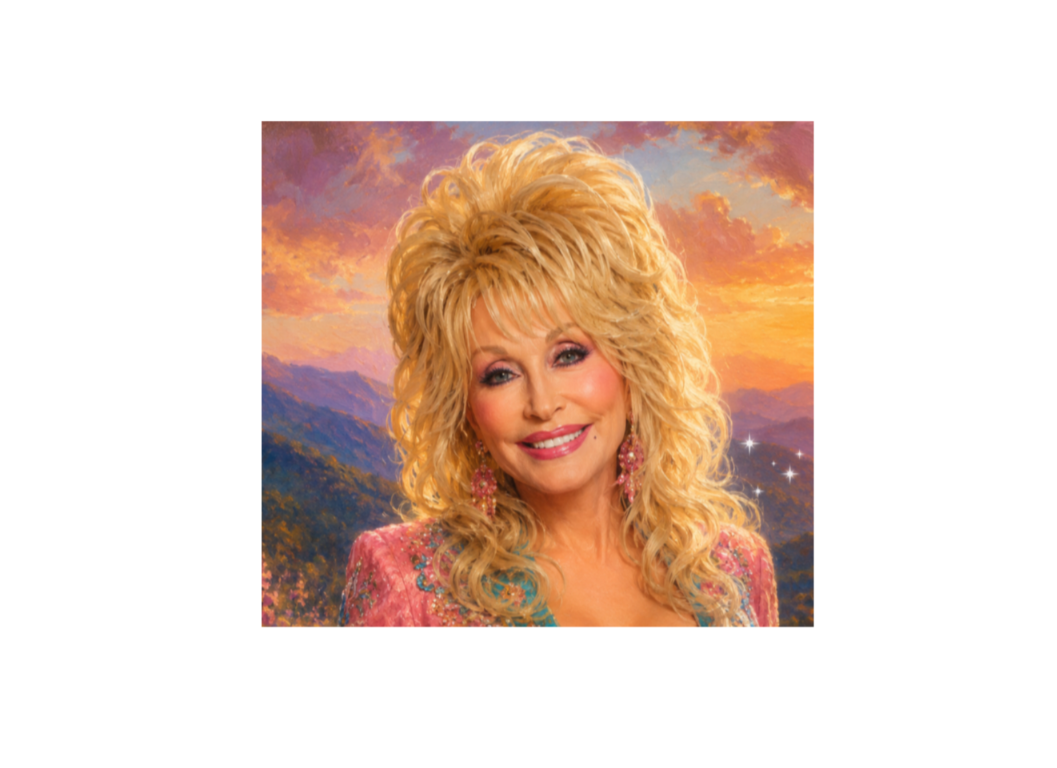
As a lifelong music fan, I want to honor one of the greatest singers, songwriters, and movie stars of all time, Dolly Parton. Her beautiful song “I Will Always Love You,” later made internationally famous by Whitney Houston, will always be one of my personal favorites. Her movies 9 to 5 and Steel Magnolias were also iconic movies. She was amazing
The world has lost one of its brightest lights. Dolly Parton, the beloved singer, songwriter, actress and philanthropist, died August 25, 2026, at age 80, leaving behind a musical and humanitarian legacy that will endure for generations. Reuters reported her death.
Born in a one-room cabin in the Great Smoky Mountains of Tennessee, Dolly rose from poverty to become the “Queen of Country Music.” Yet despite selling more than 100 million records and receiving nearly every major honor in entertainment, she never lost the humility, humor or warmth that made people feel as though they knew her personally.
Dolly was glamorous without being distant, successful without forgetting where she came from and deeply spiritual without judging others. She could make audiences laugh with a quick joke and then move them to tears with a song drawn from her own life.
The songs that told her story
“Coat of Many Colors” may be the purest expression of Dolly’s gift as a storyteller. Based on her childhood, the song recalls a coat her mother sewed from scraps of fabric and the ridicule Dolly experienced when she wore it to school. What others saw as poverty, she understood as an expression of love. The song transformed a painful memory into a timeless lesson about dignity, family and gratitude.
“Jolene” demonstrated how Dolly could create drama through simplicity. Rather than attacking another woman, the narrator pleads with her, exposing fear and vulnerability. Its unforgettable melody and emotional honesty allowed the song to cross generations and musical genres.
“I Will Always Love You” was written when Dolly decided to leave The Porter Wagoner Show and pursue an independent career. It was not originally a romantic breakup song, but a graceful farewell expressing affection without surrendering the need to move forward. Dolly’s recording topped the country chart in two different decades, and Whitney Houston later carried the song to a worldwide audience.
“9 to 5,” written for the 1980 movie in which Dolly starred, became an anthem for working people—particularly women struggling for fairness and respect in the workplace. Its lively rhythm carried a pointed message about exploitation, unequal treatment and the desire for a better life.
“Here You Come Again” helped introduce Dolly to a wider pop audience, while “Two Doors Down” and “Why’d You Come in Here Lookin’ Like That” displayed her playful side. “My Tennessee Mountain Home” celebrated the landscape and values that shaped her, and “Joshua” became her first solo No. 1 country single.
Her unforgettable duet with Kenny Rogers, “Islands in the Stream,” brought together two of country music’s most recognizable voices and became one of the most beloved duets in popular music.
Other treasured Dolly Parton songs include:
“Love Is Like a Butterfly”
“The Bargain Store”
“Tennessee Homesick Blues”
“Applejack”
“Light of a Clear Blue Morning”
“Old Flames Can’t Hold a Candle to You”
“Rockin’ Years”
“To Know Him Is to Love Him”
“The Seeker”
“Hard Candy Christmas”
A legacy beyond music
Dolly’s greatest accomplishments were not confined to records, movies or concert stages. Through Dolly Parton’s Imagination Library, she helped place books in the hands of millions of young children. The program began in her home county in Tennessee and grew into an international literacy movement.
She also supported education, disaster recovery, medical care and scientific research. Her generosity was characteristically practical: she saw a need, found a way to help and rarely made herself the center of the story.
Dolly Parton showed that kindness and strength could coexist. She opened doors for women in country music, maintained control of her songs and business interests and crossed boundaries of age, geography, politics and musical taste.
Her rhinestones, towering hair and infectious laughter made her instantly recognizable, but beneath the sparkle was a gifted writer who understood ordinary people—their hardships, ambitions, heartbreaks and hopes.
Dolly once turned a personal goodbye into “I Will Always Love You.” Today, those words belong to the millions of people saying goodbye to her.
The music will continue. The books will keep arriving in children’s homes. The mountains she loved will still echo with her songs. Dolly Parton may be gone, but the love she gave the world remains—and we will always love her.

