
By Mike Chevalier | September 15, 2026
When a major storm or earthquake cuts power to cell towers, a charged phone may suddenly show “No Service.” T-Mobile’s satellite service offers another way to send a message, even when no nearby tower is working. For residents of Surfside and the Long Beach Peninsula, it could be a useful addition to an emergency kit.
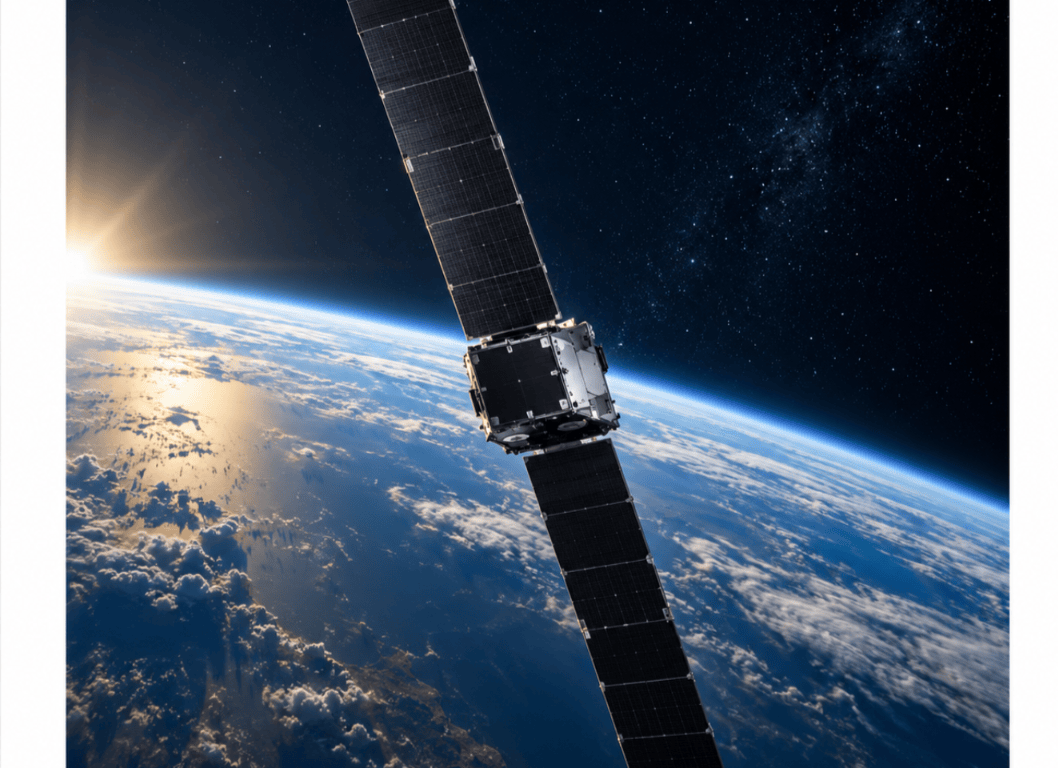
T-Satellite connects a compatible smartphone to Starlink satellites when traditional cellular service is unavailable. It supports text messages, location sharing, texts to 911, and limited use of selected apps. Residents do not need a separate satellite phone or dish, but they do need an eligible device and a reasonably clear view of the sky. T-Mobile’s service overview.
As of September 2026, T-Satellite is included with certain premium T-Mobile plans. Other eligible customers can add it for a promotional $10 per month per line; T-Mobile says that rate is $5 below its regular price. Some customers of other carriers can also enroll using a compatible, unlocked phone. T-Mobile advertises free satellite Text to 911 for eligible phones without a paid T-Satellite subscription. Residents should check their phone’s eligibility and complete any required setup before an outage. T-Mobile’s pricing and eligibility details, T-Mobile support.
The service has already been used during a widespread power outage. In August 2026, T-Mobile reported thousands of satellite messages exchanged during its hurricane recovery response in Hawaii as outages disrupted cell service. That experience shows its potential, though it does not guarantee that a message will get through in every location or disaster. T-Mobile’s Hawaii recovery report.
Satellite connectivity has limits. It does not provide the same experience as an ordinary cell connection: data speeds are restricted, only selected apps are supported, and messages—including texts to 911—may be delayed or unavailable. Trees, buildings, or being indoors can make it harder to connect. If a message will not send, moving to an open outdoor location may help. T-Mobile’s service limitations.
Residents also need to keep the phone powered. A charged power bank can provide backup during the first part of an outage, while a portable solar panel may help recharge it over several days. Coastal clouds and rain can greatly reduce solar output, so it is wise to begin with charged batteries rather than depend on sunlight arriving when needed.
Before disaster strikes, residents can check T-Satellite eligibility in the T-Life app or through T-Mobile’s device compatibility checker, enroll if they want the paid service, and learn how their phone indicates a satellite connection. A brief practice message from a safe, open location can reveal whether the setup works.
Satellite apps
It does not replace full Internet access however there are satellite applications sufficient for communicating with relatives to give status updates that your ir all right or to contact emergency services.
The exact list varies by iPhone or Android, and an app may have fewer features or take longer to respond over satellite. It does not mean your phone gets normal, unrestricted internet access.
Messages
WhatsApp, Messenger, Apple Messages, Google Messages
Maps and location
Google Maps, Apple Maps, Google Find
Weather and safety
AccuWeather, Apple Weather, Google Personal Safety
Outdoor navigation
AllTrails, Gaia, CalTopo, onX
T-Satellite gives residents a practical way to send a short “I’m safe” message, share a location, or text for emergency help when cell towers are out. It is most valuable as a prepared backup: a compatible phone, completed setup, charged battery, and knowledge of its limits can make the difference when ordinary service disappears.
 Surfside Washington News