
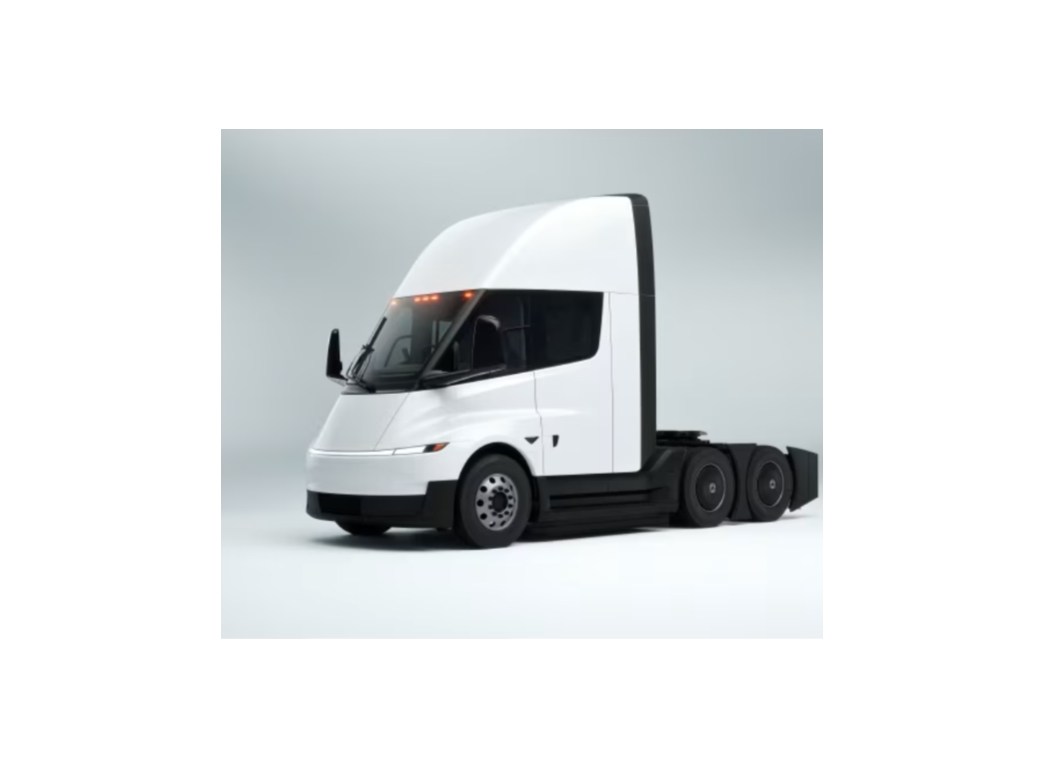
For trucking companies, the Tesla Semi’s biggest selling point may be what happens every mile it travels: replacing diesel purchases with electricity. As fuel costs rise, that difference could change how fleets choose trucks, plan routes and compete for freight.
Diesel has long offered the range, quick refueling and nationwide infrastructure that trucking demands. But fuel is also a major recurring expense. When prices climb, a truck’s operating costs rise with them, putting pressure on carriers and the businesses that depend on their deliveries.
An electric truck offers a different calculation. Its higher purchase price must be weighed against potentially lower energy costs over years of heavy use. For trucks covering substantial mileage, those savings could become a powerful reason to switch—particularly when fleets can charge at their own facilities.
Range Makes Electric Freight More Practical
Tesla advertises up to approximately 500 miles of range for the Semi, including operation fully loaded. That puts many regional freight routes within reach of battery-electric trucking, although actual range depends on operating conditions.
The strongest early opportunities are likely to be predictable trips between warehouses, factories, distribution centers and stores. A truck that follows a familiar route and returns to a charging depot gives its operator a clearer way to manage energy use and scheduling.
That could change fleet purchasing. Companies could assign electric trucks to routes where mileage, charging access and electricity prices support the investment, then expand as infrastructure improves.
Long-distance trucking presents a tougher challenge. A advertised range figure does not guarantee the same distance in cold weather, on steep grades or at sustained highway speeds. Operators also need a reserve for traffic, detours and unexpected delays. Reliable charging along freight corridors will determine how far electric trucks can move beyond planned regional routes.
Fuel Savings Could Become a Competitive Advantage
The economic appeal grows when diesel becomes more expensive. Fleets buying electricity at favorable commercial rates may be able to move freight for substantially less in energy costs.
There is no universal payback period. Annual mileage, diesel prices, electricity rates, financing and charging infrastructure all affect the outcome. A busy truck charging at an established depot could deliver a very different financial result from one that travels fewer miles or depends on expensive charging.
Still, the business implications are significant. Lower operating costs could give carriers room to improve margins, withstand fuel-price spikes or offer more competitive freight rates. Shippers may increasingly consider access to electric transportation when choosing carriers and locating distribution facilities.
Electricity also introduces its own cost considerations. Utility demand charges, grid upgrades and the timing of charging can affect the bill. Managing when trucks charge could become as important as negotiating diesel discounts is today.
Charging Becomes Part of the Business
Electric trucking shifts some investment from the fuel tank to the freight terminal.
Warehouses and truck depots may need substantial electrical capacity, chargers and systems that coordinate vehicle departures with available power. Installing that infrastructure takes planning, and its cost belongs in any comparison with diesel.
Tesla’s megawatt charging approach is intended to support longer trips and provide flexibility when routes exceed a truck’s initial charge. Its usefulness will depend on having compatible chargers available where freight actually moves.
For fleets, the operational question becomes straightforward: can the truck charge during time it would already spend parked, loading, unloading or waiting? When charging fits those existing pauses, electric freight becomes easier to integrate into daily operations.
A Different Experience for Drivers and Communities
The transition could also change working conditions. Electric propulsion offers quieter operation and eliminates diesel exhaust from the truck itself. Regenerative braking can recover energy during slowing and descents, although conventional brakes remain essential.
Drivers and fleet managers will still judge these trucks by practical standards: comfort, reliability, service availability, payload capacity and whether they finish the job on schedule.
Communities near busy freight facilities could benefit from reduced tailpipe pollution as electric trucks replace diesel vehicles. The broader environmental benefit depends partly on how electricity is generated and how batteries are produced.
The Economics Will Set the Pace
The Tesla Semi points toward a trucking industry in which energy efficiency increasingly shapes purchasing decisions. Range makes more routes possible; the difference between diesel and electricity costs determines which routes make financial sense.
The transition will depend on dependable trucks, accessible charging and demonstrated savings under everyday working conditions. As those pieces come together, electric freight could become an increasingly compelling business choice—and rising diesel costs could accelerate that change.

