
By Surfside Washington News | October 16, 2026
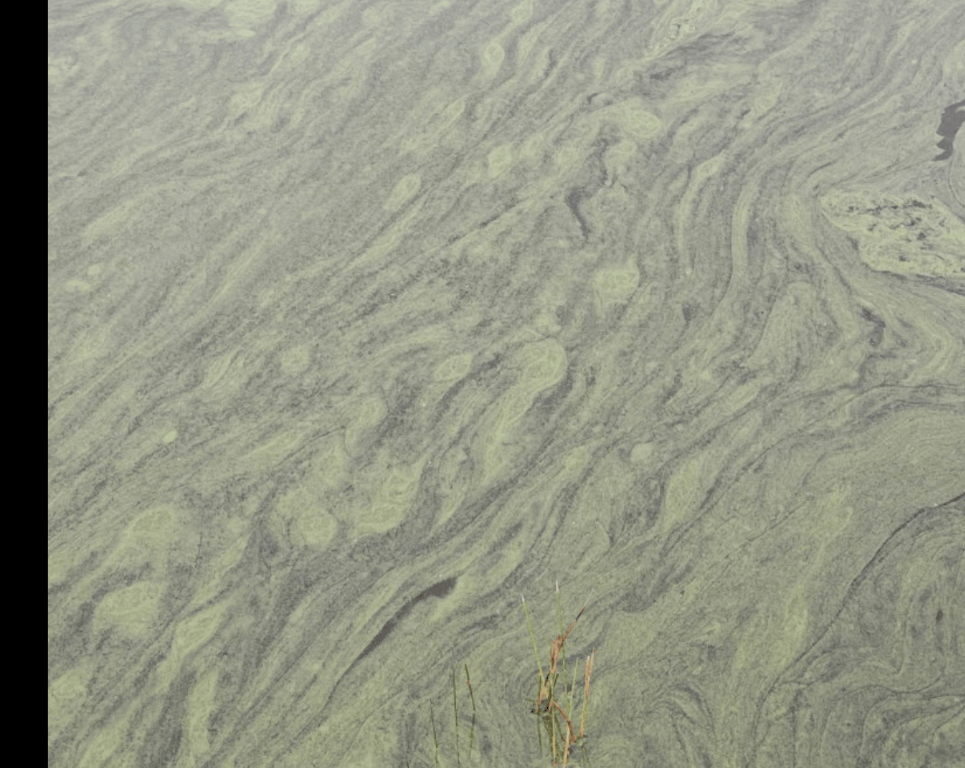
OCEAN PARK, WA — Seabreeze Lake in the Surfside Homeowners Association continues to face water-quality concerns following laboratory testing that confirmed elevated levels of microcystins, potentially dangerous toxins produced by certain types of blue-green algae.
During a recent Surfside HOA Board meeting, trustees acknowledged the toxic algae problem and discussed difficulties obtaining the chemicals needed to treat the lake. The discussion raised questions about the association’s ability to respond quickly to contamination that could threaten residents, pets, and aquatic wildlife.
September Testing Revealed Elevated Toxicity
According to the Washington State Department of Ecology’s toxic algae database, a water sample collected from Seabreeze Lake on September 14, 2026, contained 28.2 micrograms per liter (µg/L) of microcystin.
Washington State’s recreational warning threshold is 8 µg/L, meaning the September measurement was approximately 3.5 times the level at which state health officials recommend posting warning signs.
.
HOA Board Acknowledges Treatment Delays
During the board meeting, a representative of the Lakes, Beaches and Waterways Committee confirmed that Seabreeze Lake had tested positive for microcystins.
“We did unfortunately test positive for microcystins in Seabreeze,” the representative stated, according to the meeting transcript.
The committee reported that treatment was being planned for the following week, but the schedule depended on obtaining the necessary materials.
One of the primary difficulties has been delays in chemical deliveries.
The committee explained that other communities and municipalities are experiencing similar algae problems, increasing demand for treatment products and making it harder for smaller organizations such as Surfside to obtain supplies promptly.
The board discussed purchasing treatment products ahead of time for 2027 and exploring alternative storage arrangements, including supplier storage or cooperation with other organizations.
These proposals suggest a recognition that the association needs a more reliable supply strategy rather than depending entirely on chemical availability after contamination is detected.
The lake has subsequently been treated.
Why Microcystins Are Dangerous
Microcystins are produced by certain cyanobacteria, commonly called blue-green algae. They can occur in freshwater lakes, ponds, and reservoirs, particularly when environmental conditions favor rapid algae growth.
According to the U.S. Environmental Protection Agency, microcystins primarily affect the liver. Exposure can occur when contaminated water is swallowed or during recreational activities involving affected water.
Potential health effects include:
- Nausea, vomiting, diarrhea, and abdominal pain.
- Skin irritation following contact with contaminated water.
- Liver injury following significant exposure.
- Serious illness or death in pets and livestock that ingest contaminated water.
Dogs are especially vulnerable because they may drink lake water or lick contaminated algae from their fur.
Boiling contaminated water does not remove microcystins and may increase toxin concentrations.
For residents living near Seabreeze Lake, the safest approach is to avoid contact with visible algae accumulations, prevent pets from entering or drinking lake water, and follow advisories from local health authorities.

