
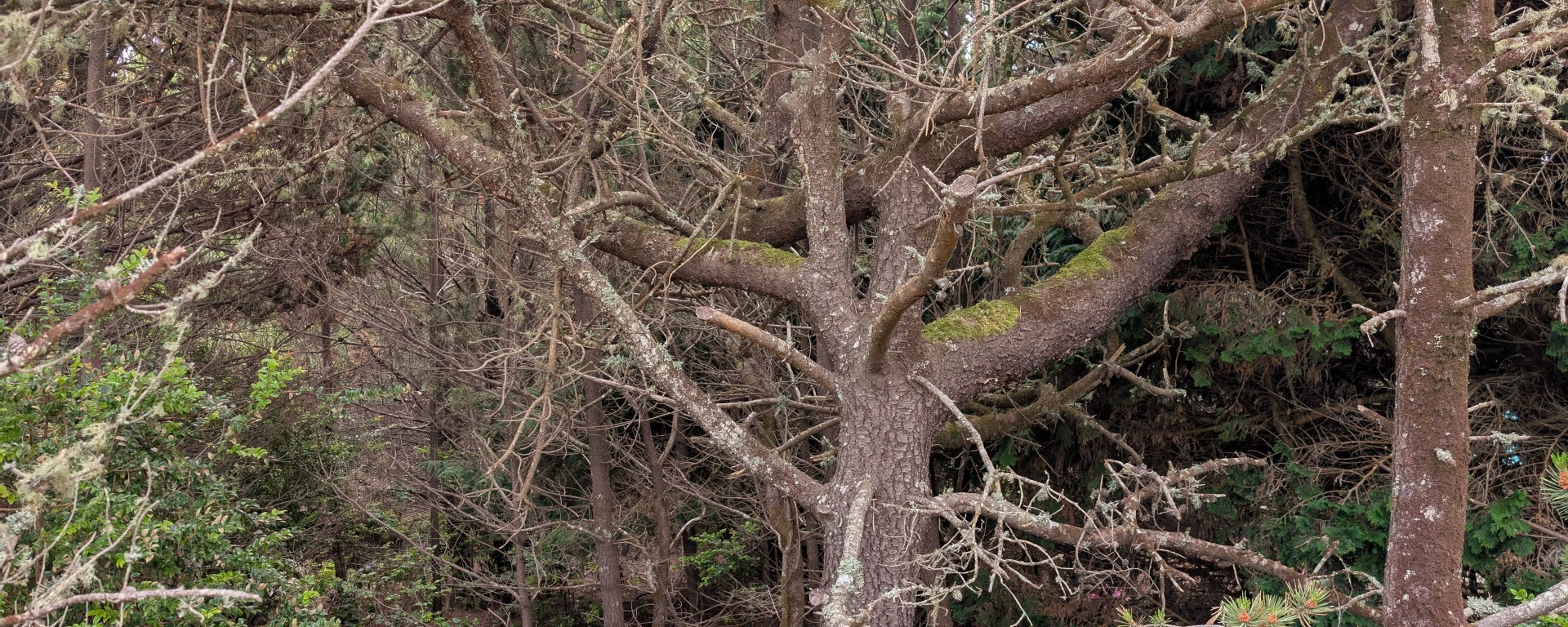
For more than a century, America’s forests have been challenged by invasive insects, destructive diseases, prolonged drought, and increasingly severe wildfires. Together, these threats have killed hundreds of millions of trees, reducing tree canopy that protects communities from heat, flooding, poor air quality, and wildlife habitat.
Despite these losses, one message is emerging from scientists, foresters, and conservation organizations across the country: the best long-term solution is to protect healthy mature trees while replanting diverse, climate-resilient forests.
Emerald Ash Borer: Rebuilding Millions of Lost Trees
Since its discovery in 2002, the emerald ash borer has killed well over 100 million ash trees across more than 35 states. Entire neighborhoods have lost their mature shade trees, increasing summer temperatures, reducing property values, and eliminating important wildlife habitat.
Communities throughout the Midwest and Northeast are replacing lost ash trees with a diverse mix of native species rather than relying on a single tree type. Organizations such as the Arbor Day Foundation and thousands of local governments have planted millions of replacement trees to restore urban canopy and reduce the risk of future catastrophic insect outbreaks.
California’s Forest Crisis
California has experienced one of the largest forest die-offs in modern history. Years of drought, record-breaking heat, bark beetle infestations, and massive wildfires have killed well over 170 million trees during the past decade.
State and federal agencies are responding with ambitious restoration programs. California’s reforestation strategy calls for planting tens of millions of new trees while restoring natural forest diversity and reducing wildfire risk through improved forest management.
Dutch Elm Disease: A Century of Recovery
Dutch elm disease transformed American cities during the twentieth century by killing tens of millions of American elm trees. Streets once lined with towering elm canopies became exposed to greater heat and reduced neighborhood character.
Recovery has focused on planting disease-resistant elm varieties alongside many other native species. This diversified approach creates healthier urban forests that are less vulnerable to future disease epidemics.
Beech Leaf Disease
Beech leaf disease is spreading rapidly across the northeastern United States, threatening forests that depend upon American beech trees for wildlife habitat and ecological diversity.
Researchers are working to understand the disease while land managers plant additional native species to ensure forests remain resilient even where beech populations decline.
Hemlock Woolly Adelgid
The tiny hemlock woolly adelgid has devastated eastern and Carolina hemlock forests from Georgia to New England. Hemlocks provide cool shade that protects streams supporting trout, salmon, amphibians, and countless other species.
Forest managers are combining biological controls with replanting efforts using a variety of native trees to preserve stream health and maintain forest diversity.
Sudden Oak Death
Sudden oak death continues affecting forests in California and southwest Oregon by killing tanoaks and several oak species.
Forest restoration emphasizes careful monitoring, sanitation, and replanting with species that can better withstand future disease pressures while maintaining healthy forest ecosystems.
Whitebark Pine Recovery
Whitebark pine forests occupy some of the highest elevations in the Rocky Mountains and Cascades. Climate change, mountain pine beetles, and white pine blister rust have dramatically reduced these important forests.
Federal agencies are planting hundreds of thousands of rust-resistant seedlings each year, helping restore wildlife habitat while protecting mountain watersheds and snowpack.
Western White Pine Success Story
One of North America’s greatest forest restoration achievements involves western white pine. White pine blister rust destroyed much of the original population during the twentieth century.
Decades of scientific research produced rust-resistant seedlings that are now being planted across forests in Idaho, Washington, Oregon, Montana, and British Columbia. Millions of resistant trees are gradually restoring this iconic species.
American Chestnut Returns
Once comprising nearly one-quarter of eastern hardwood forests, the American chestnut was nearly eliminated by chestnut blight.
Today, universities and conservation organizations are developing blight-resistant chestnuts. Thousands of seedlings are being planted in experimental forests with hopes of eventually restoring millions of these majestic trees.
Climate Change Increases Disease Pressure
Warmer winters allow more insects to survive. Longer growing seasons permit additional insect generations. Drought weakens trees, making them easier targets for diseases and bark beetles.
Scientists increasingly recognize that climate change is amplifying many existing forest threats, making restoration and canopy expansion more important than ever.
Why Tree Planting Matters
Tree planting is about far more than replacing lost trees.
Expanding tree canopy:
- Reduces dangerous urban heat.
- Improves air quality.
- Filters stormwater and reduces flooding.
- Stores carbon that contributes to climate change mitigation.
- Improves mental and physical health.
- Increases biodiversity.
- Supports birds and pollinators.
- Raises property values.
- Protects drinking water supplies.
Research consistently shows communities with greater tree canopy experience lower summer temperatures, healthier residents, and improved resilience to increasingly extreme weather.
Planting Smarter Forests
Modern forestry no longer recommends replacing an entire forest with a single species. Instead, experts promote planting diverse mixtures of native trees adapted to future climate conditions.
Diversity reduces the likelihood that one insect or disease will devastate an entire forest again.
Looking Ahead
Across the United States, governments, nonprofits, tribal nations, private landowners, and volunteers are planting tens of millions of trees every year. Combined with protecting mature forests, these efforts represent one of the nation’s most effective natural climate solutions.
While insects, diseases, and climate change continue to challenge America’s forests, restoration efforts demonstrate that healthy, diverse tree canopy can recover over time. Every tree planted today contributes to cleaner air, cooler communities, healthier wildlife habitat, reduced flooding, and stronger forests for future generations.
The lesson from every major forest crisis is clear: protecting existing mature trees while planting the next generation of diverse, resilient forests offers the best path toward restoring America’s tree canopy and the many environmental, economic, and public health benefits it provides.

