
SURFSIDE WASHINGTON NEWS | TECHNOLOGY & AUTOMOTIVE | OCTOBER 15, 2026


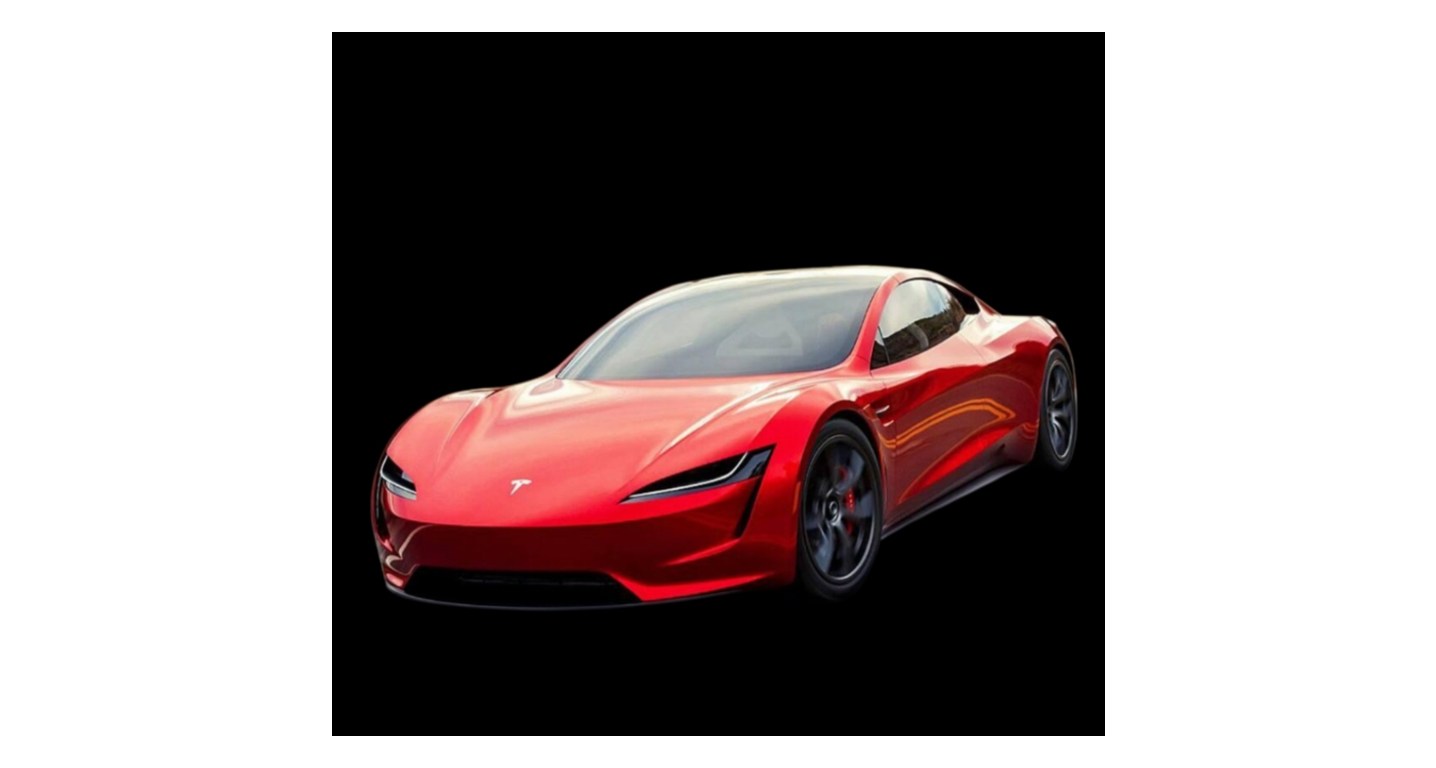
Tesla’s next-generation Roadster has been one of the most anticipated electric sports cars in automotive history. First unveiled in November 2017, the sleek, four-seat performance car promised extraordinary acceleration, a 620-mile driving range, and performance that could challenge the world’s fastest production supercars.
Nearly nine years later, the Roadster remains a fascinating example of both the potential of electric vehicle technology and the difficulty of turning ambitious engineering promises into a production automobile.
For automotive enthusiasts, the central question is no longer simply how fast the Tesla Roadster might be. It is whether Tesla can deliver the performance, technology, and driving experience that made the original announcement so remarkable.
Breaking development: Tesla unveils a Roadster that can jump and fly
On October 15, 2026, Tesla finally revealed a dramatically redesigned Roadster at a SpaceX test facility in McGregor, Texas. Rather than simply introducing another high-performance electric sports car, Tesla demonstrated a vehicle capable of briefly leaving the ground, maneuvering in the air, and driving upside down on a specially constructed ramp.
Demonstration of Tesla’s roadster flying.
The demonstration combined powerful electric motors with compressed-gas thrusters developed through Tesla’s collaboration with SpaceX. A fan-based suction system also helped keep the vehicle attached to the road or demonstration surface.
Three versions of the new Roadster
Tesla outlined three configurations, each intended to demonstrate increasingly extreme performance. Model Claimed 0–60 mph Features Performance Under 1.6 seconds Two seats, active aerodynamics, suction system Thrust Under 0.9 seconds Two seats, rear-mounted compressed-gas thrusters Rocket Under 0.59 seconds Single seat, multi-directional thrusters and aerial maneuvers
The Rocket version is invitation-only and is not approved for public-road use. These acceleration figures are manufacturer claims, not independently verified production-car test results.
What happened to the promised 620-mile range?
One of the biggest changes involves driving range.
When Tesla introduced the second-generation Roadster in 2017, the company advertised a remarkable 620-mile range, four seats, and a top speed exceeding 250 mph.
The newly demonstrated Roadster has different priorities. Tesla now claims more than 300 miles of driving range, seating for no more than two people, and a top speed exceeding 230 mph for its most extreme configuration.
That represents a substantial reduction in the original range promise, reflecting a vehicle increasingly focused on spectacular performance rather than long-distance touring.
How much will the Tesla Roadster cost?
Tesla has not announced final selling prices for the redesigned vehicle.
The original Roadster carried an advertised base price of approximately $200,000. Following the October 2026 unveiling, Tesla’s reservation arrangements include a $50,000 deposit for the Performance model and a reported $250,000 deposit for the Thrust configuration.
Importantly, these deposits are not the vehicle’s final purchase price.
When will production begin?
Tesla CEO Elon Musk announced a target of 2028 for production.
That would place the Roadster approximately eight years behind the originally promised 2020 delivery schedule. Tesla has missed several earlier targets, making the latest schedule an objective rather than a guaranteed delivery date.
The October unveiling establishes that Tesla has developed working demonstration vehicles, but it does not establish that production models will be available to customers on schedule.
Could rocket technology change the automobile industry?
The Roadster raises intriguing engineering questions.
Traditional performance cars rely on tire traction to accelerate, brake, and corner. Even powerful electric motors cannot transmit unlimited force through the tires.
Compressed-gas thrusters potentially allow engineers to supplement tire-generated forces, creating acceleration or maneuvering capabilities that conventional automobiles cannot achieve.
However, significant challenges remain, including passenger safety, system reliability, compressed-gas storage, energy efficiency, regulatory approval, and the risks associated with operating thrusters around pedestrians and other vehicles.
The demonstration does not mean flying cars are about to become common on public highways.
What does this mean for Washington drivers?
For motorists in Washington and along the Pacific Northwest coast, the Roadster is more likely to influence future automotive engineering than become a common sight on local roads.
Some of the underlying technologies—lightweight construction, electric powertrain development, active aerodynamics, and advanced vehicle controls—could eventually influence more affordable vehicles.
But the Roadster’s extraordinary acceleration and aerial capabilities are unlikely to provide practical benefits for everyday transportation.
In a region where wet pavement, coastal winds, road conditions, and long-distance travel are important considerations, safety, reliability, and efficiency remain more useful than extreme acceleration.
The bottom line
Tesla’s October 2026 Roadster unveiling marks a significant milestone for a vehicle that has spent almost nine years in development.
The demonstration of compressed-gas thrusters, aerial maneuvers, and extraordinary acceleration shows Tesla’s willingness to explore technologies beyond conventional automotive design.
Yet fundamental questions remain unanswered: What will customers actually pay? Which capabilities will be legal on public roads? How reliable will these systems be? And will Tesla meet its latest 2028 production target?
For now, the new Roadster is an extraordinary engineering demonstration—but not yet a proven production supercar.
Surfside Washington News | Technology & Automotive
Sources: Reuters, October 15, 2026; Electrek, October 15, 2026; Tesla Roadster official website.

